We're a student-led chapter dedicated to firefighter pulmonary rehabilitation and lung health advocacy, through research, service, and community outreach.
Interviews, research, and what our chapter is learning about firefighter lung health.
On the spookiest night of the year, firefighters are scared of one thing. Not ghosts, not ghouls, and not monsters, but the invisible threat of toxins. Burning costumes and plastic decor release hazardous chemicals that cling to gear long after the fire is out.
Read Full Article →A major new collaboration with SDG Champs. Date and details coming soon.
A joint event with Southlake Against Skin Cancer. Date and details coming soon.
Another pickleball event with SDG Champs is on the way. Date and details coming soon.
Details coming soon. Follow us on Instagram for the date and how to take part.
We donated 150 decontamination baskets: 100 to the Southlake Fire Department and 50 to the Westlake Fire Department. See the recap →
Team meeting, then we assembled and packaged the Boo Baskets.
11am–11pm · 20% of sales support us. Use code OCT853. See the post →
Southlake Project Pulmonary is dedicated to assisting firefighters with pulmonary rehabilitation and raising awareness for lung health through outreach, service, and advocacy. We help our community, empower our members, and build a strong, sustainable presence for the long term.
Firefighters face repeated exposure to smoke, toxic particulates, and airborne carcinogens. We study the science so our advocacy is grounded in fact.
We meet with city board members and policymakers to push for real support for firefighter respiratory health.
From hydration drives to care package assembly, we host 1–3 events or fundraisers every month of the school year.
We study how smoke, soot, and airborne carcinogens affect firefighters’ lungs, so everything we say is grounded in fact.
We meet with city board members and policymakers, and our president has spoken at a Southlake City Council meeting.
We deliver hydration items, flowers, decontamination baskets, and thank-yous directly to fire stations.
We recruit members, build partnerships, and plan 1–3 events every month so this work lasts beyond one school year.
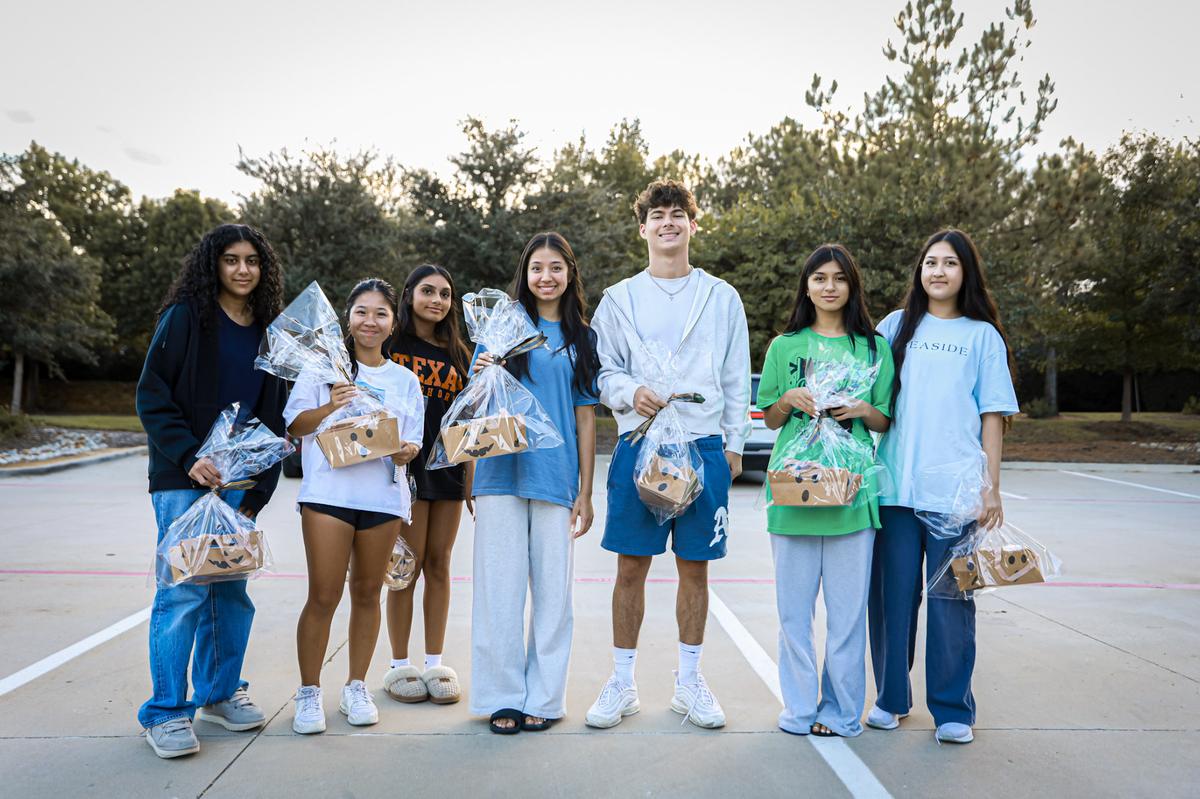
Our Boo Baskets are in the hands of local firefighters. We donated 150 decontamination baskets: 100 to the Southlake Fire Department and 50 to the Westlake Fire Department. Thank you to everyone who donated supplies, gave on GoFundMe, and helped us pack.
Kits 4 Candy interviews at the Westlake Fire Department
For Breathe for 343 we brought supplies and thank-yous to the Southlake Fire Department, honoring the 343 firefighters lost on 9/11 and looking out for the crews we have today.
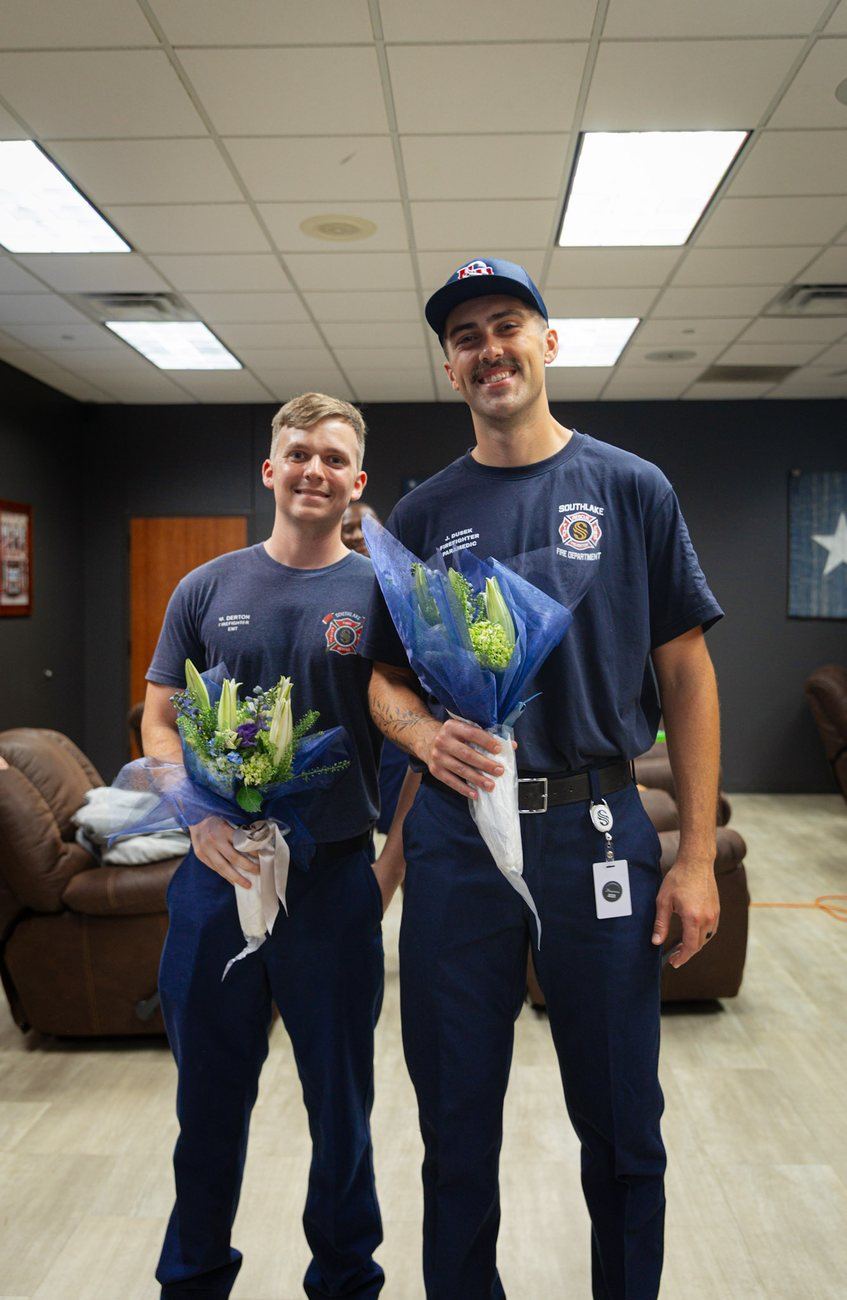
Two Southlake firefighters accept flowers from the chapter. A small thank-you from students to the people who show up for our town.
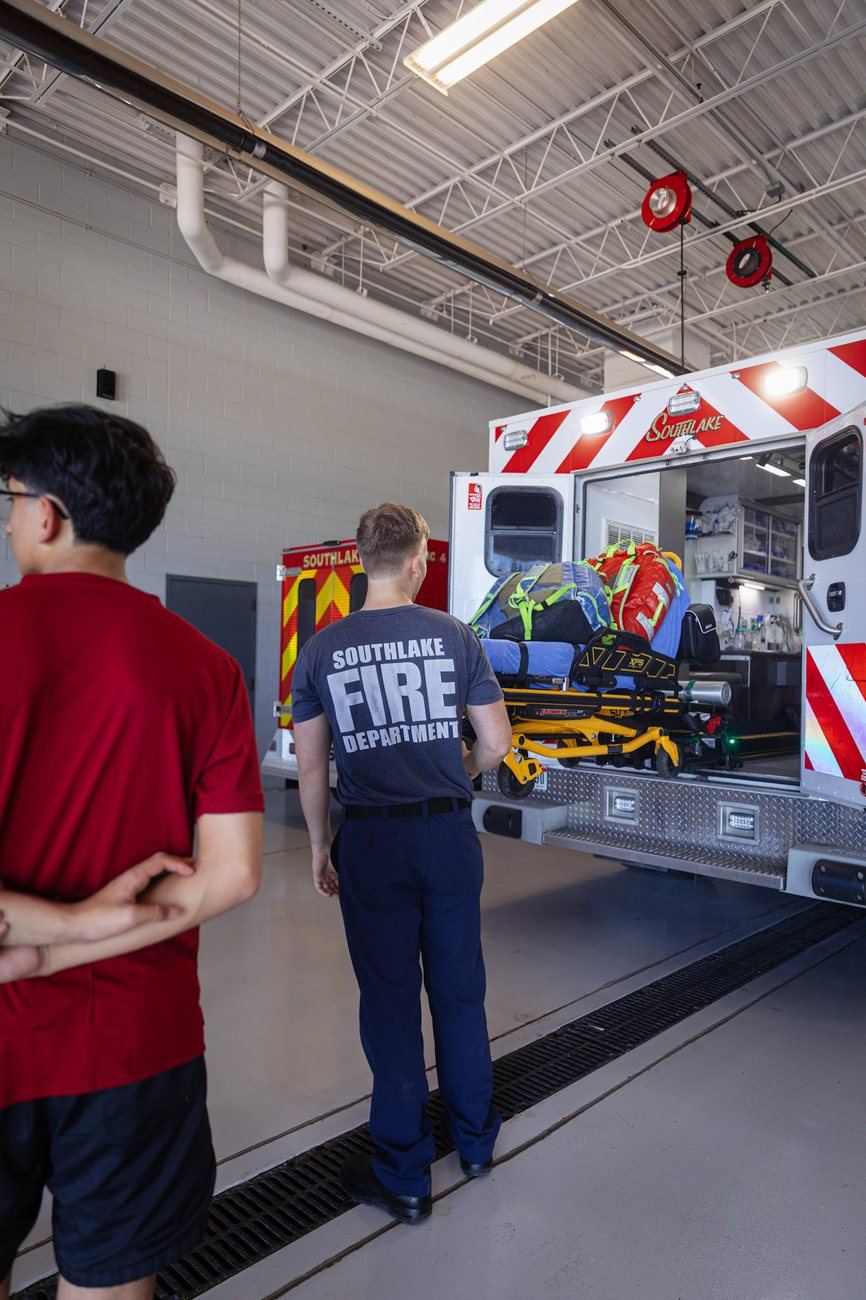
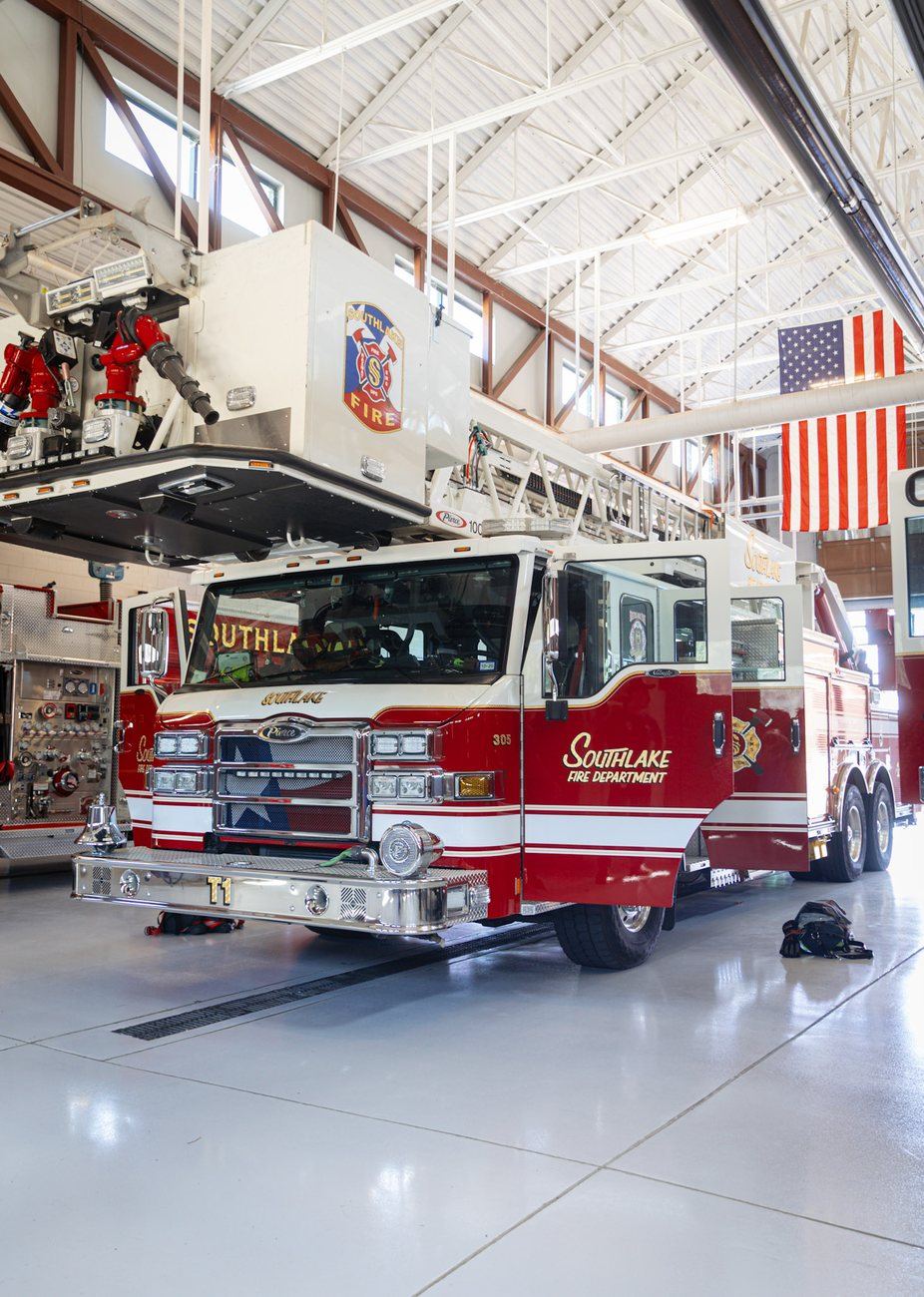
Members got a walkthrough of the Southlake Fire Department, including the ambulance and the gear crews carry on every call.
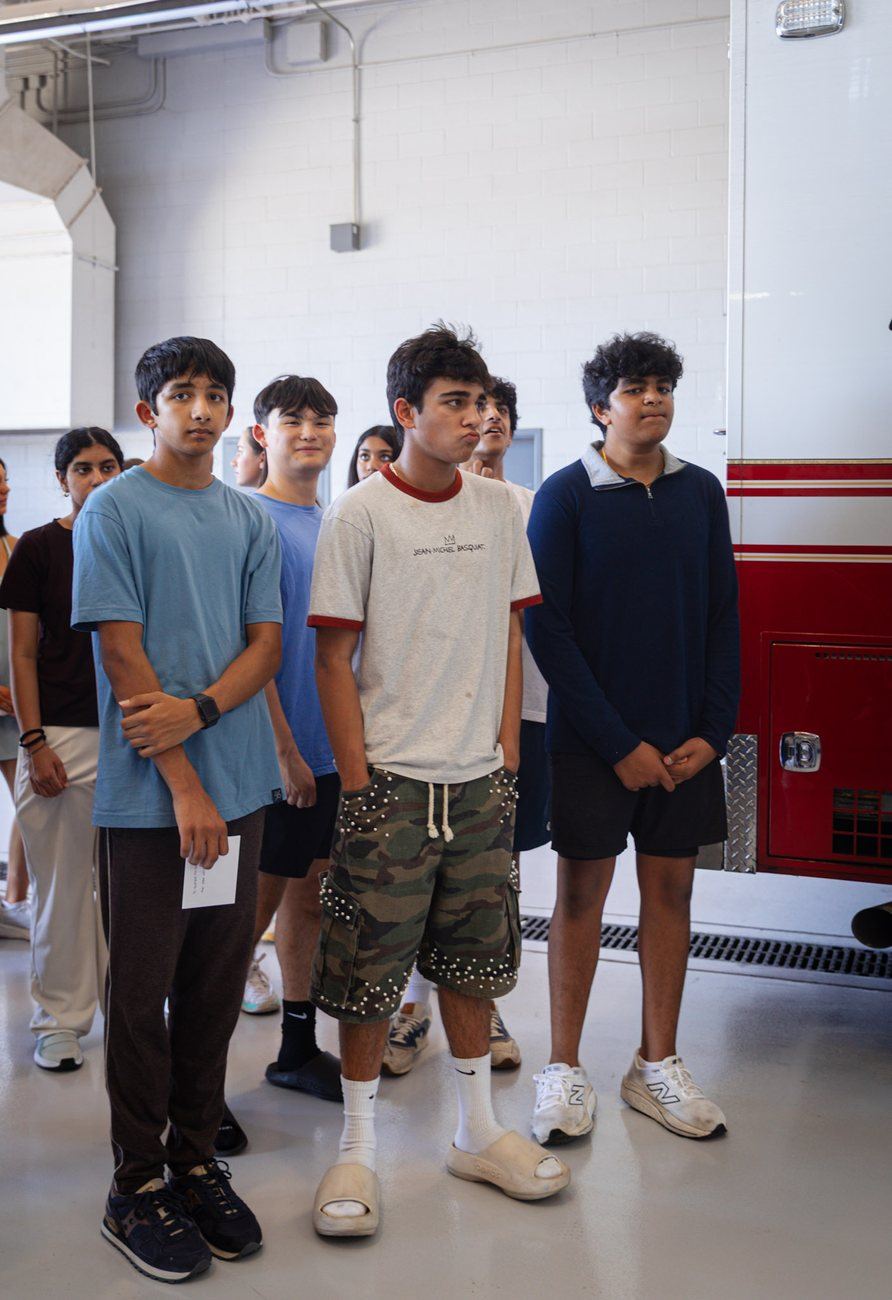
Our students lined up with firefighters at the station after dropping off the donations.
One of the department's fire trucks, inside the station we visited.
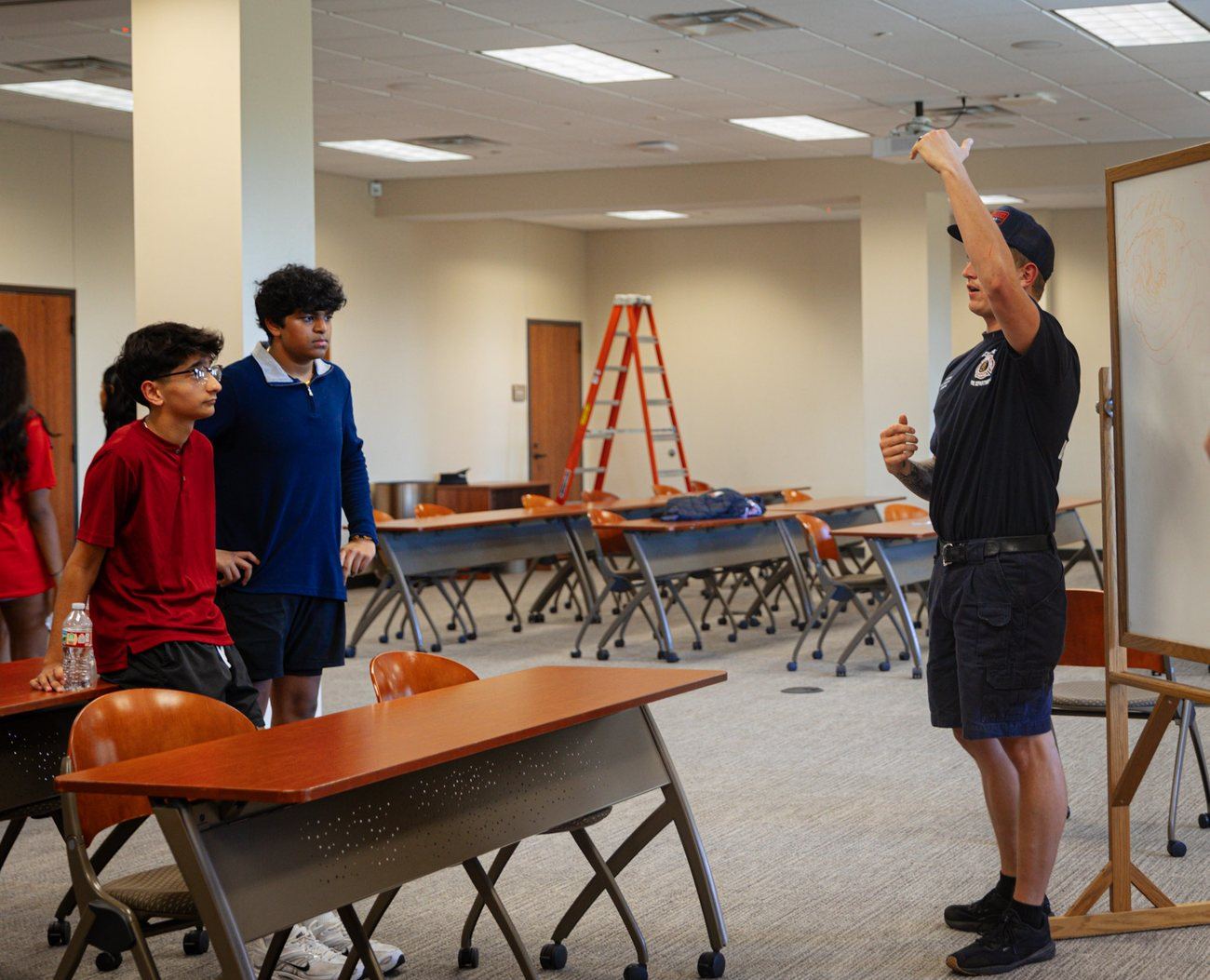
A firefighter walked us through how a shift works and what they deal with on the job.
The full delivery for Breathe for 343: 100 hydration items, flowers, and donuts for the whole crew.
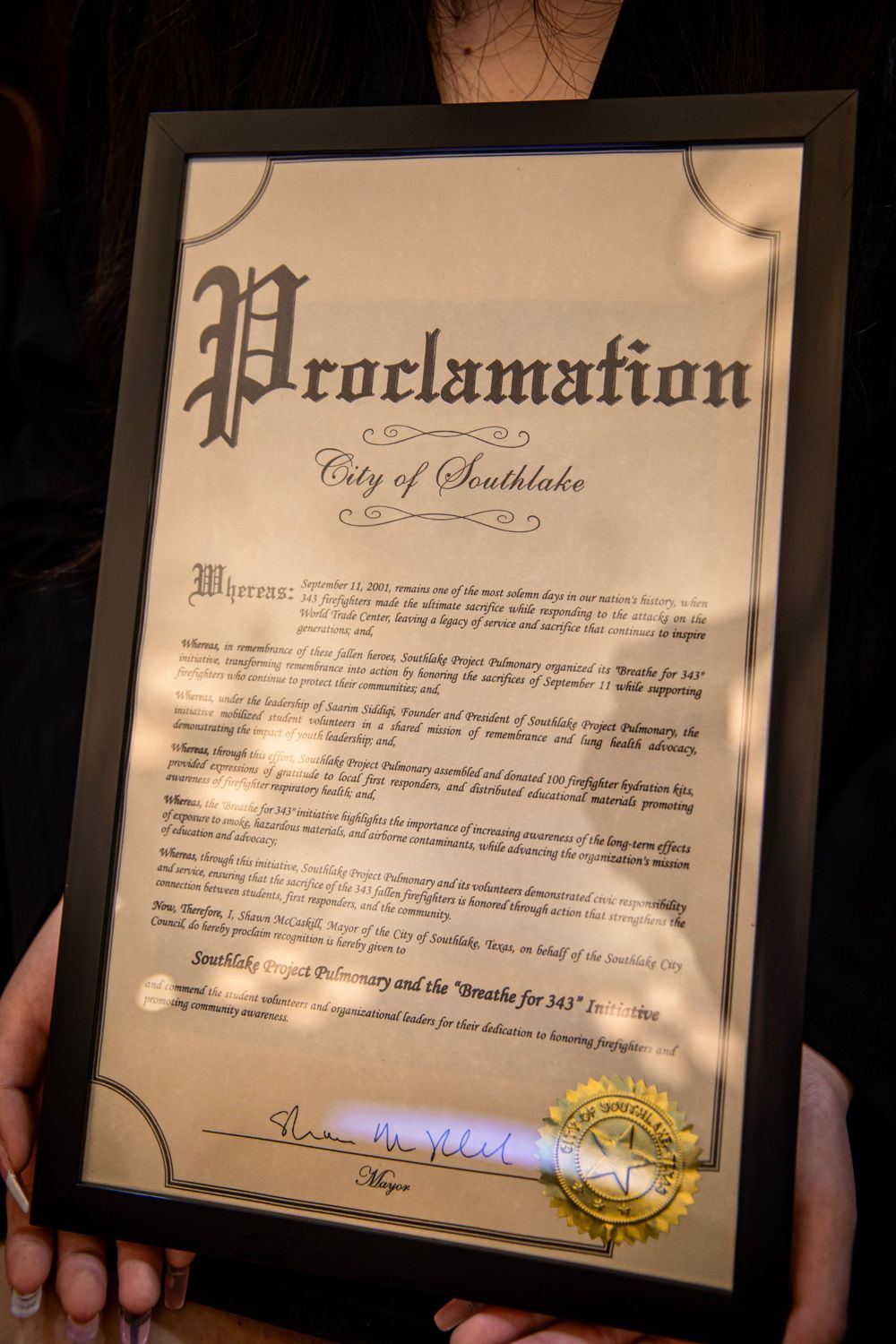
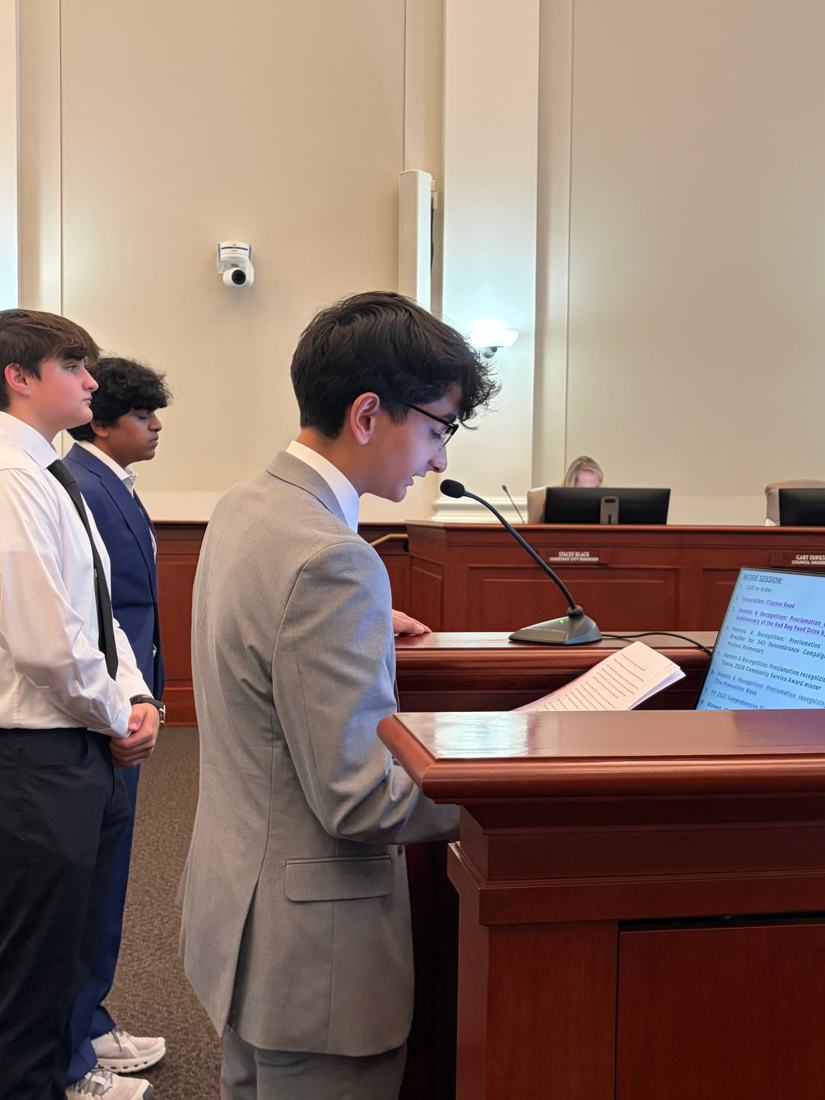
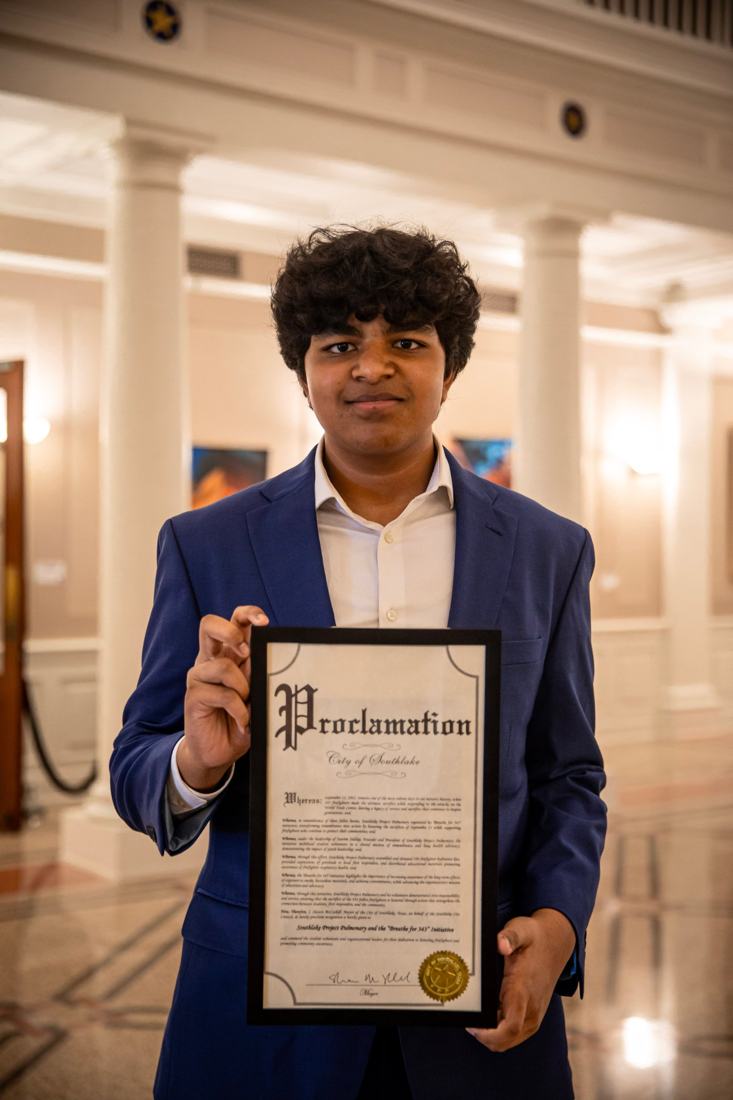
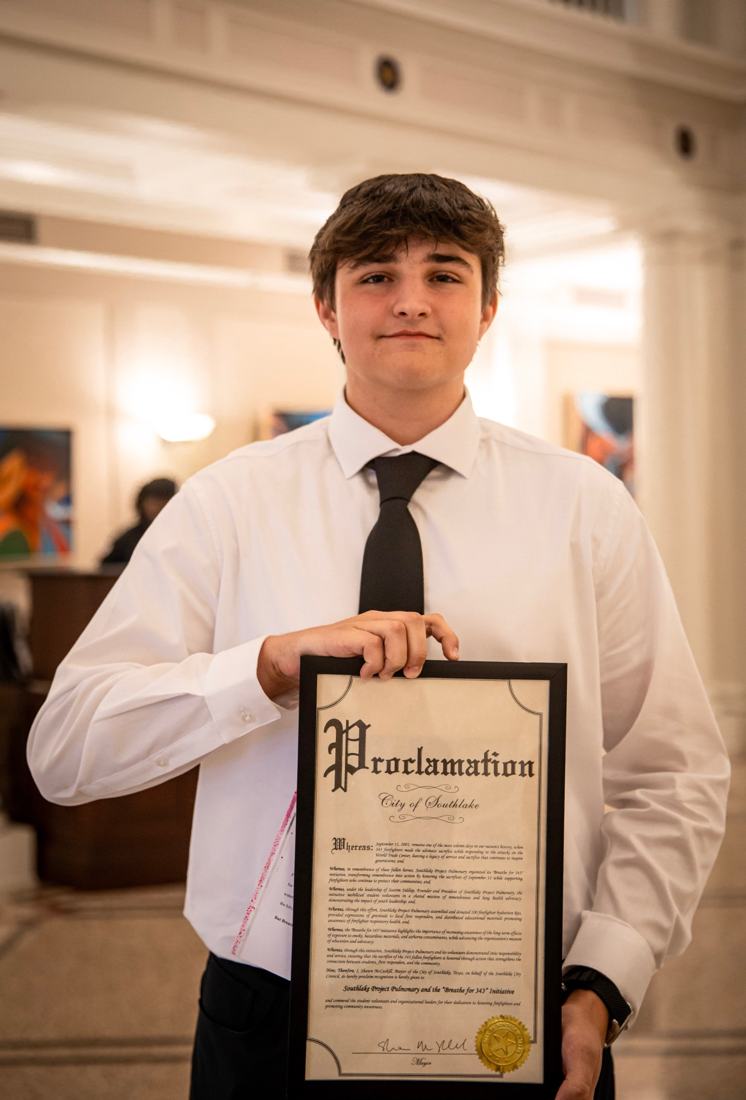
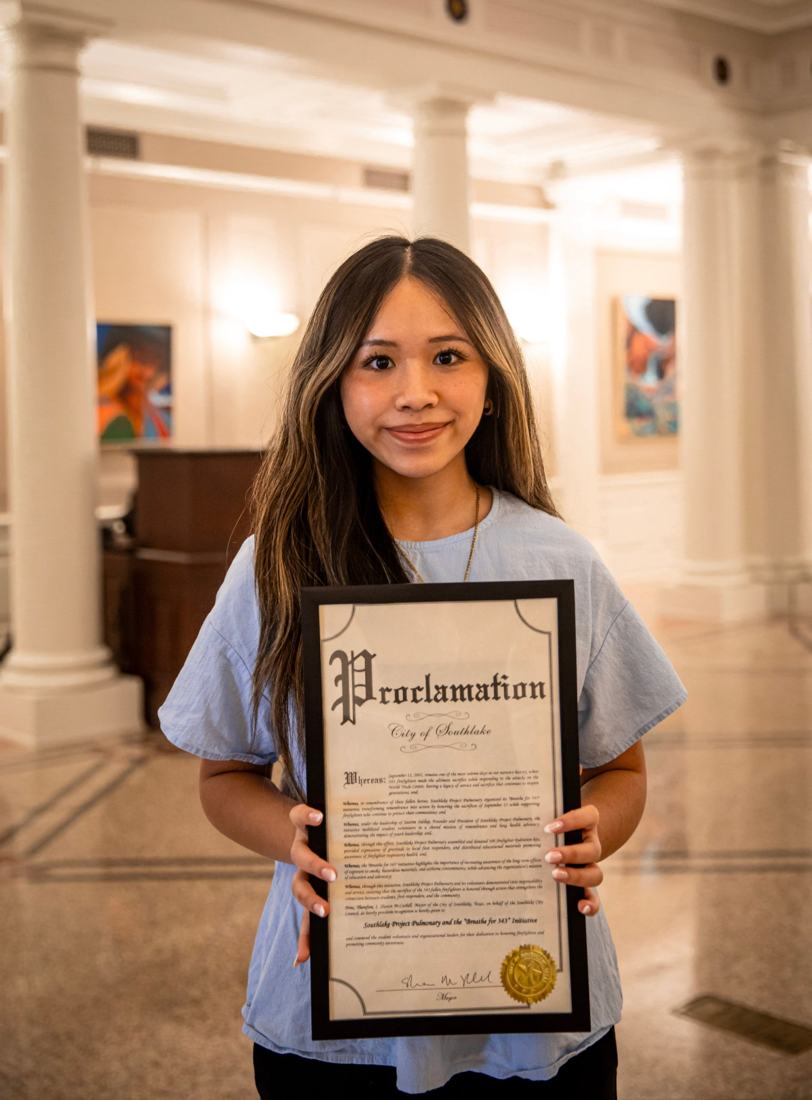
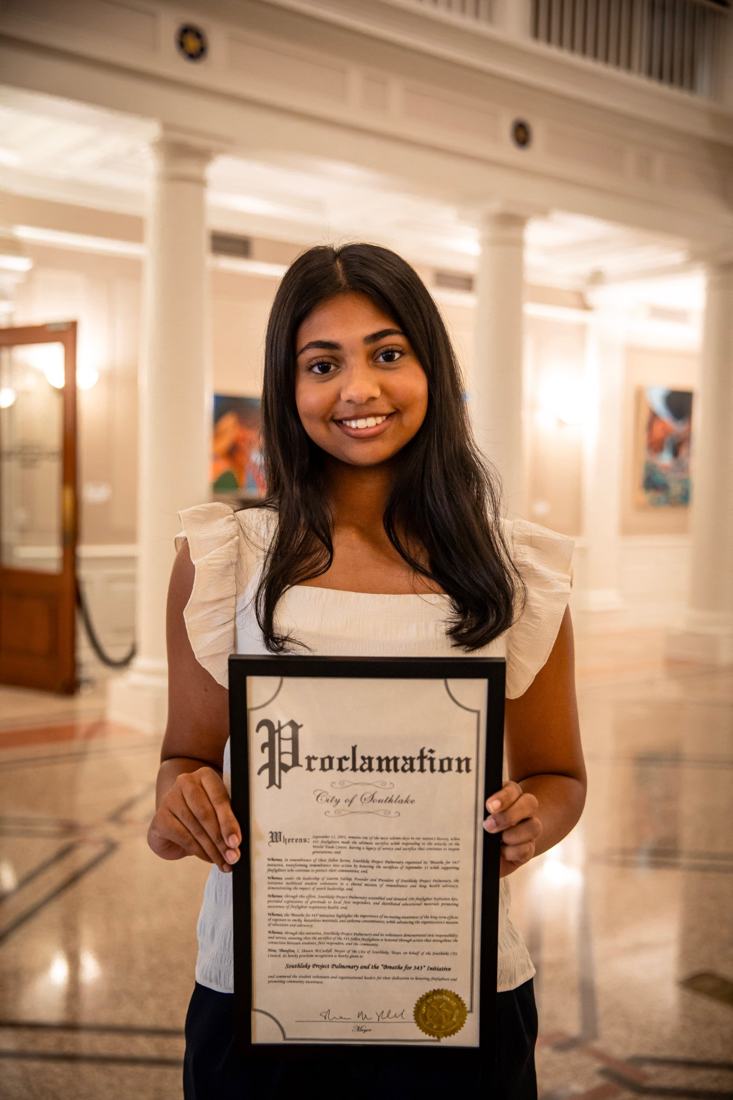
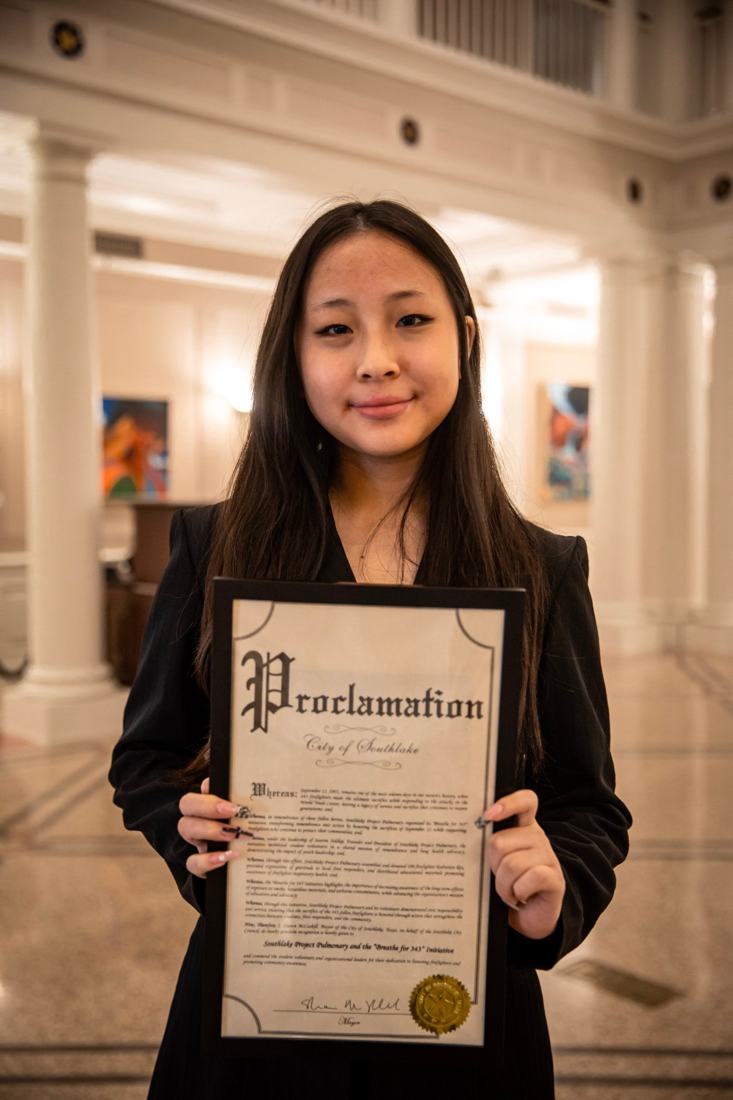
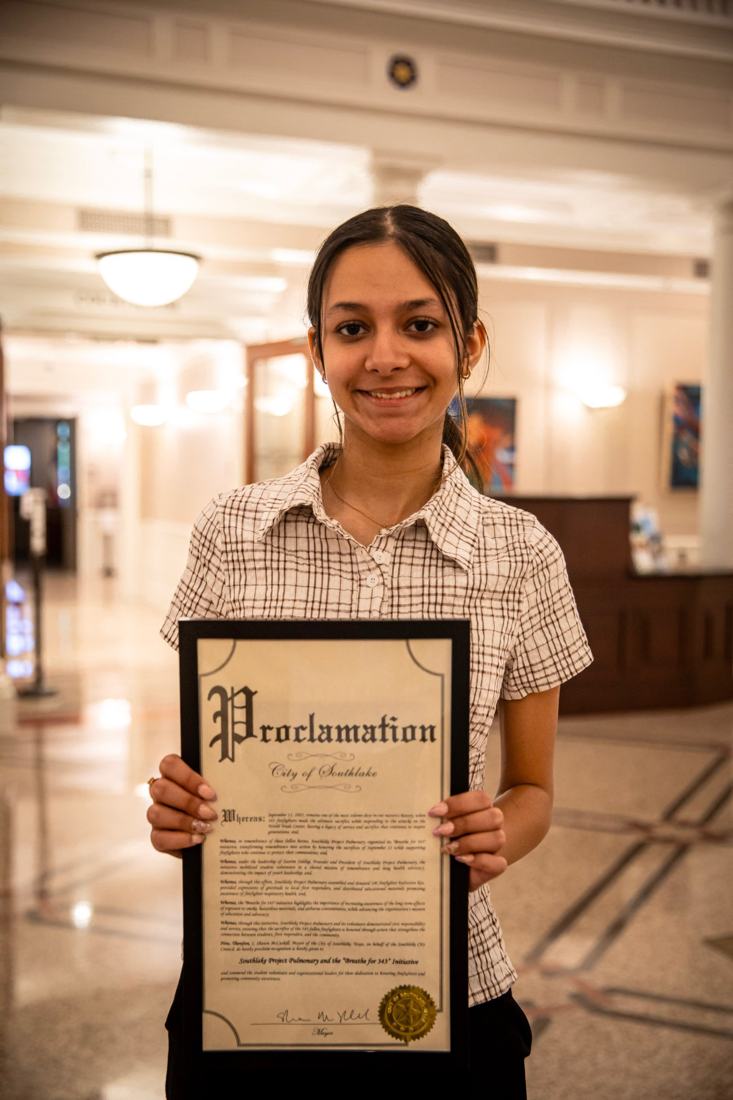
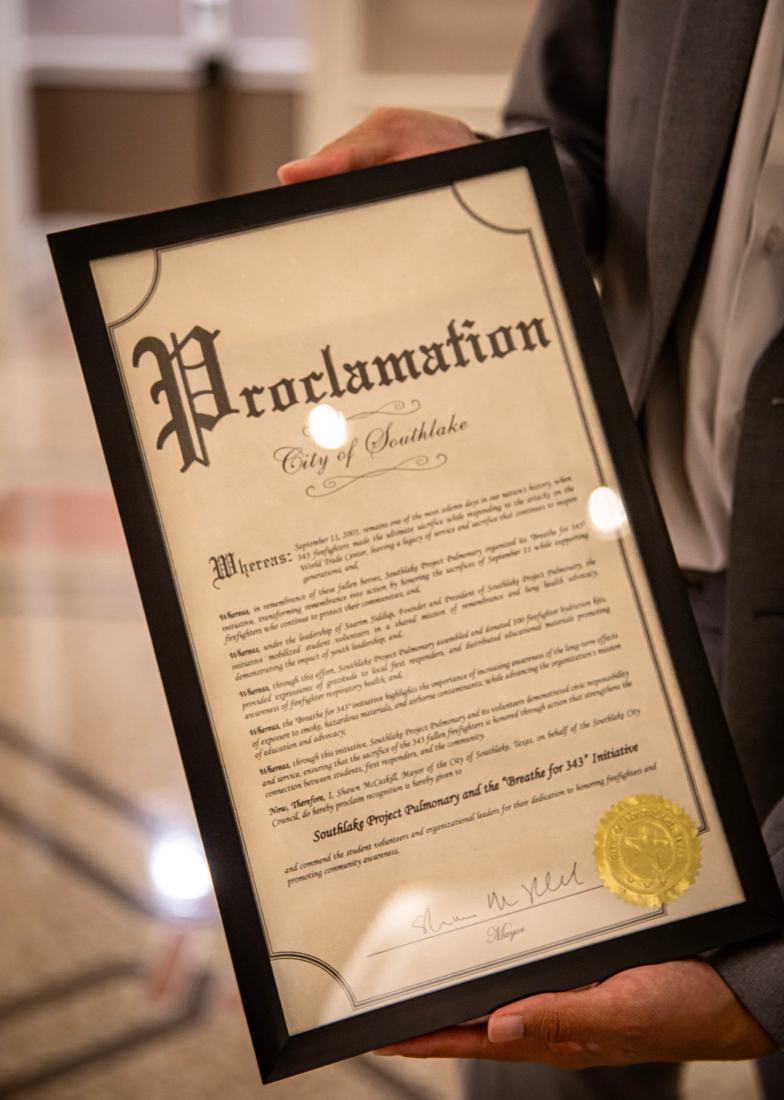
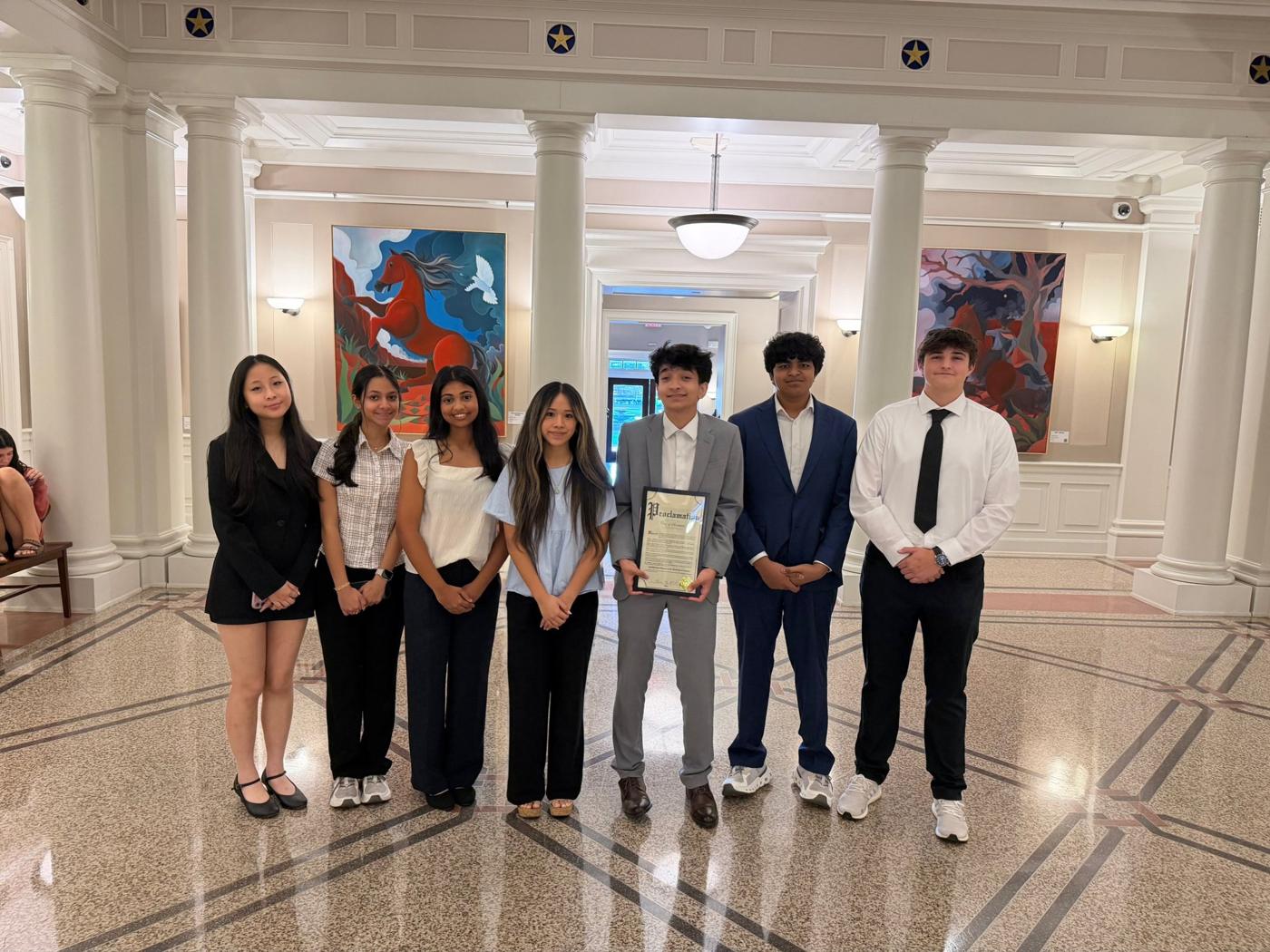
On October 6, Mayor Shawn McCaskill and the Southlake City Council formally recognized Southlake Project Pulmonary and our Breathe for 343 initiative. Tap a photo to see more from the night.
Our officers before the October 6 city council meeting.
Our founder and president, Saarim, spoke at the Southlake City Council meeting.
The City of Southlake officially recognized our chapter and Breathe for 343.
Each officer got to hold the signed proclamation.
Signed by the Mayor and presented to the chapter.
No prior experience needed. No required time commitment. Just show up when you can.
Sign Up TodayWe are a team of high school students who research firefighter lung health, run fundraisers and supply drives, and speak up for the people who run toward the fire.
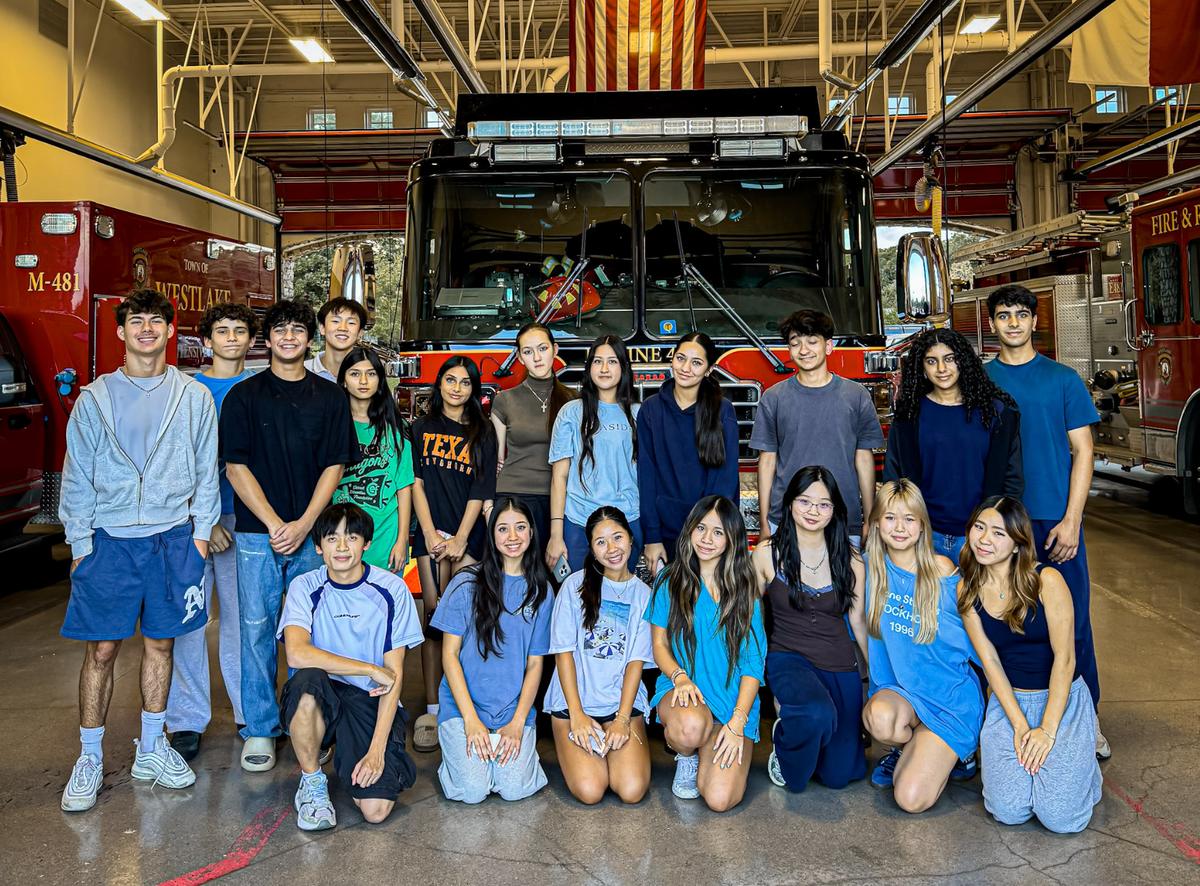
A team of Southlake Carroll students leading research, outreach, fundraising, and advocacy for firefighter lung health.
Hear what our team has to say →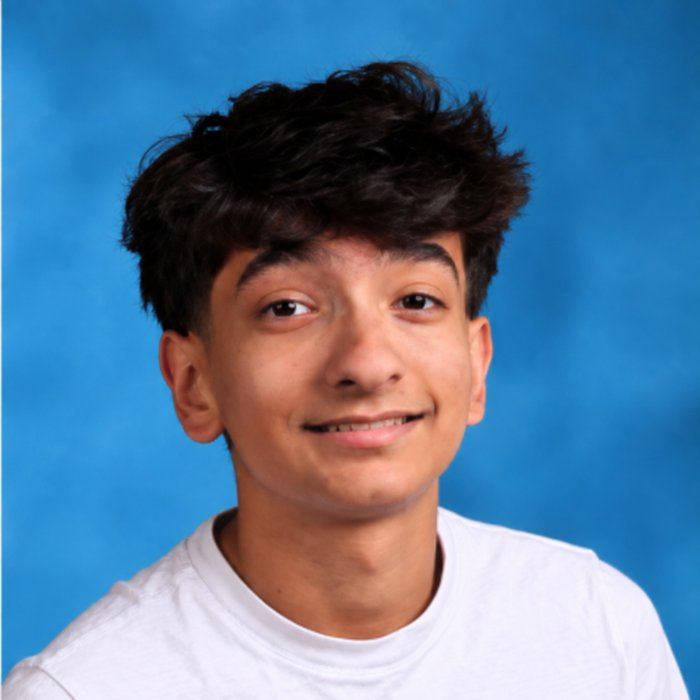
Founder and president. Leads the chapter, oversees all operations, and sets long-term goals. Former Project Pulmonary National Executive Officer.
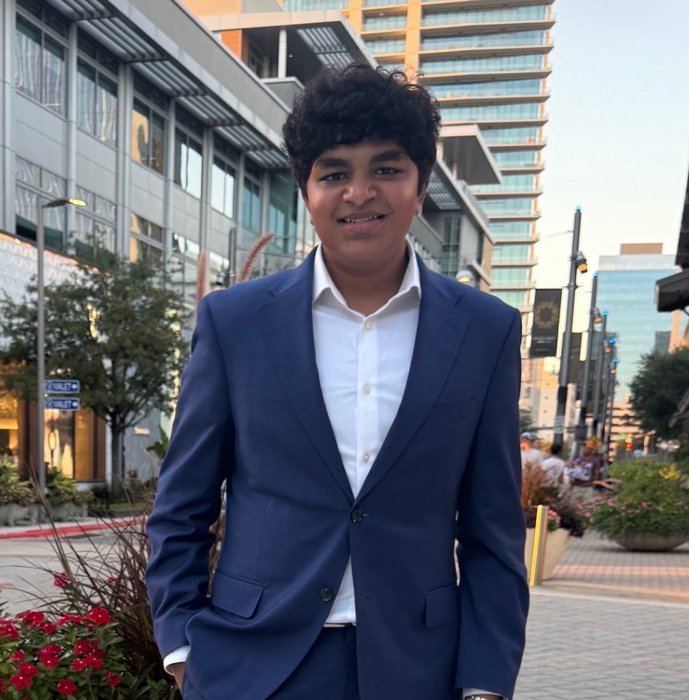
Oversees internal structure: membership, recruitment, and collaboration within our school and city.
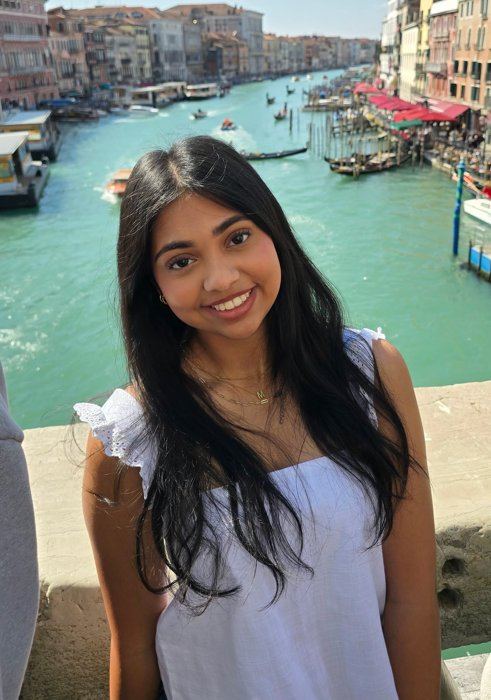
Builds relationships with fire stations, healthcare organizations, nonprofits, and local partners. Coordinates outreach and initiatives that expand our impact.

Plans and organizes volunteer events, awareness campaigns, and fundraising initiatives that impact our community and firefighters, so every event reaches the people it aims to help.
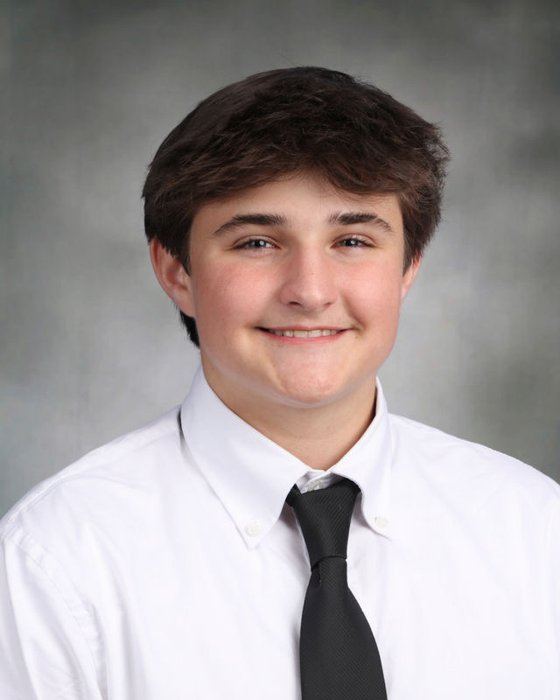
Expands our presence statewide and nationally. Coordinates volunteer opportunities and partnerships.
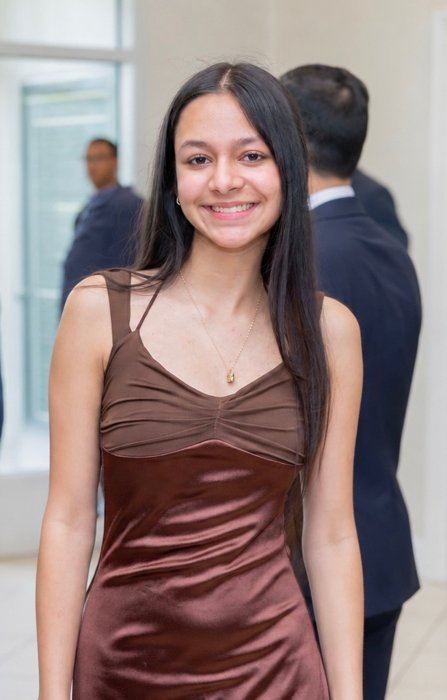
Grows our chapter and recruits members passionate about our cause.
Interviews professionals about pulmonary rehabilitation and writes blog posts about what she learns.

Helps write and edit our blog posts, sharing chapter updates and firefighter lung health stories with the community.

Posts educational content, shares partnership updates, and creates content that spreads our mission.
"What drew me to Project Pulmonary wasn't the medical side of it, but rather the policy side. I've seen so much policy that lacks the follow-through to actually go out and help firefighters."
"I'm incredibly proud to be a part of something that lets students take real action on an issue most people never think about, while giving firefighters the support they've earned."
"Every event we plan is a chance to turn people's willingness to help into something real for firefighters. Watching a fundraiser or drive actually come together and make an impact is what keeps me motivated."
Southlake Project Pulmonary is a student-led chapter dedicated to assisting firefighters with pulmonary rehabilitation and raising awareness for lung health through outreach, service, and advocacy. Our goal is to help our community, empower our members, and build a strong, sustainable presence that will impact our community in the long term.
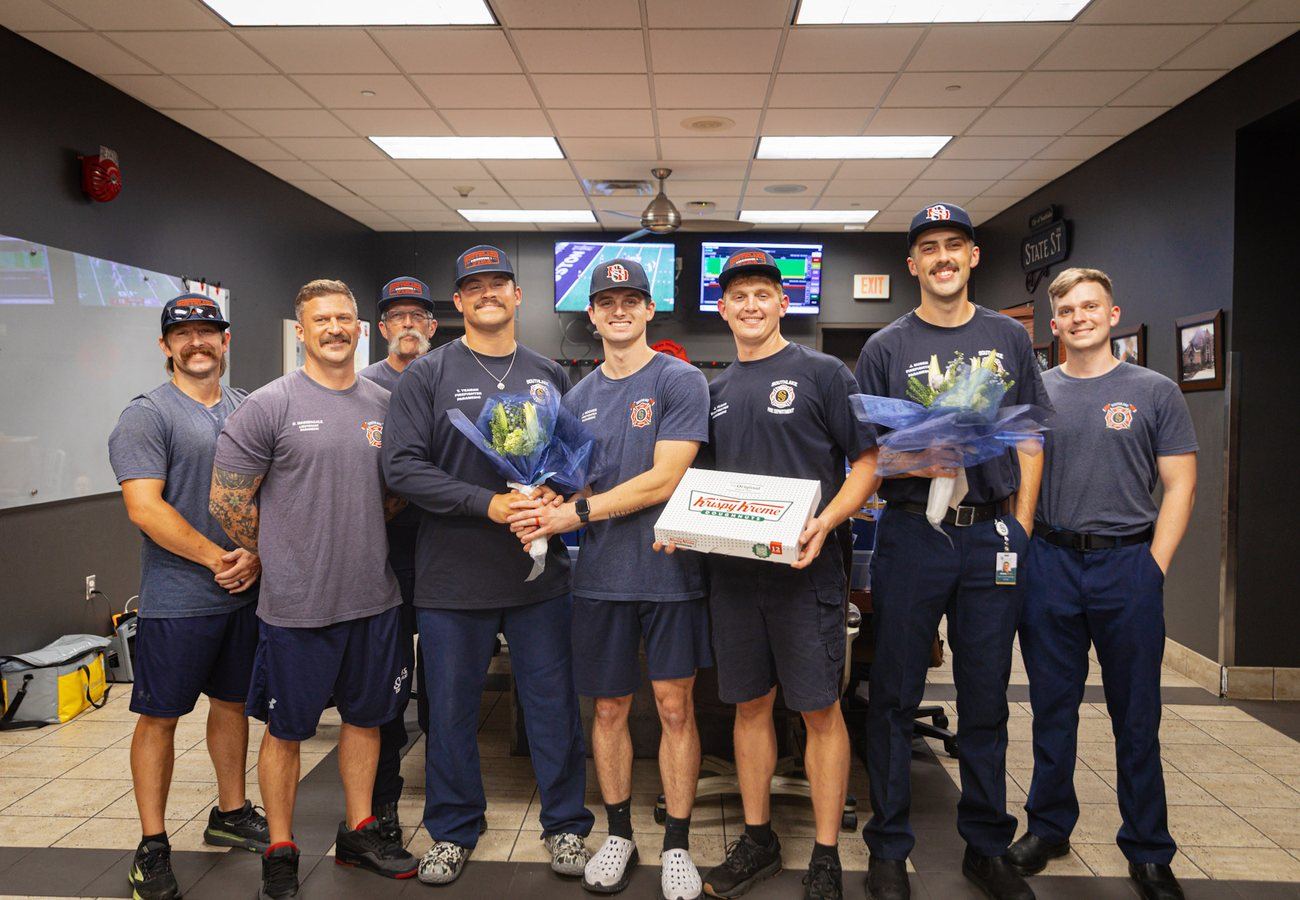
We're students in Southlake looking out for the firefighters who look out for us. Here's what we've done, why we do it, and how you can team up with us.
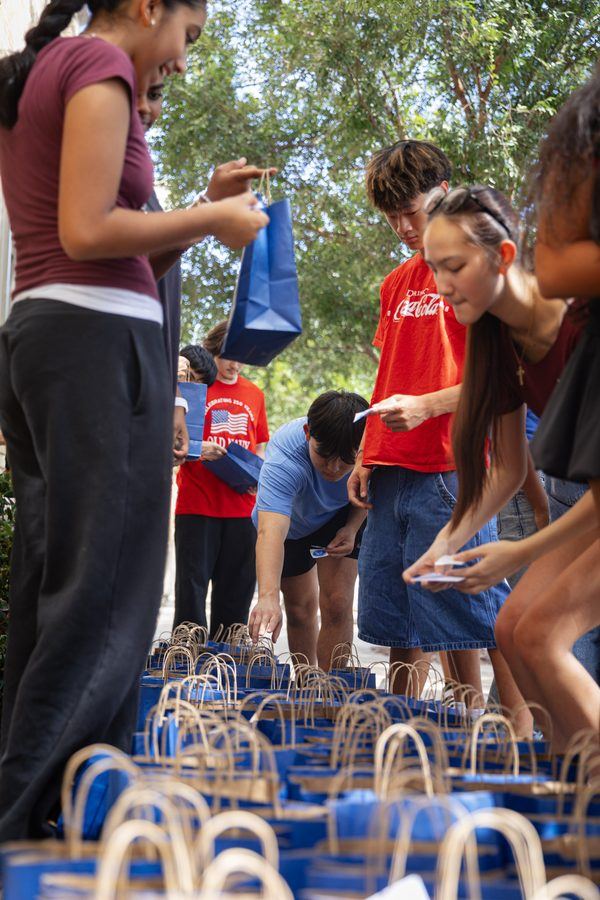
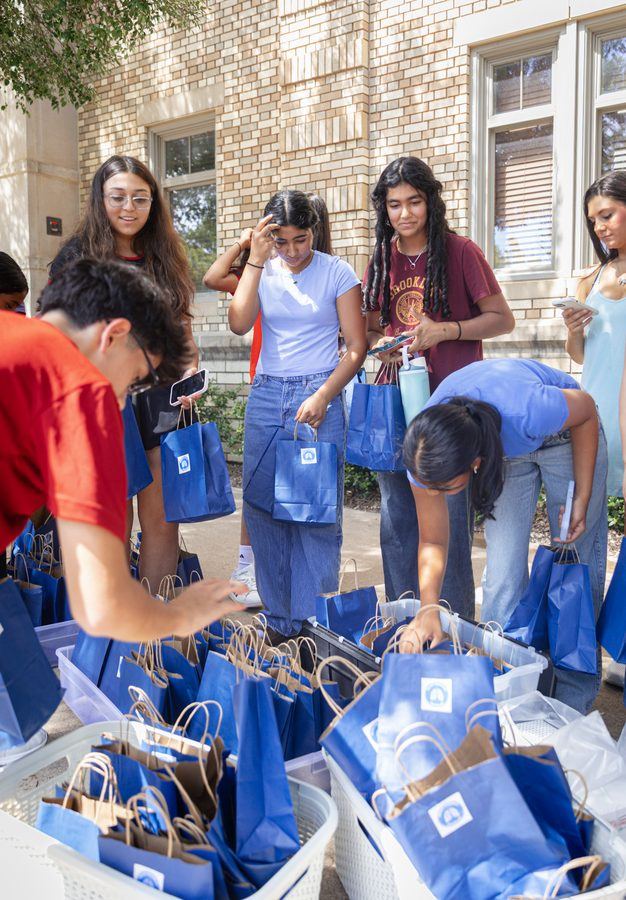
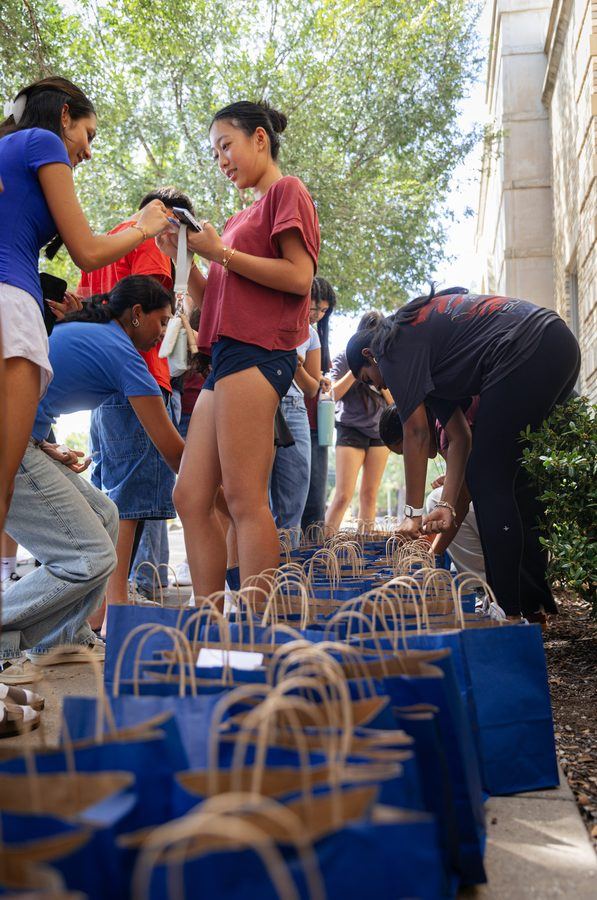
What our chapter has built right here in Southlake as part of the national Project Pulmonary movement.
Our chapter is based in Southlake, TX — one of many local chapters across the national Project Pulmonary network.
These aren't just totals. Here's what they looked like on the ground in Southlake.
Hydration items, flowers, and donuts delivered to the Southlake Fire Department.
Southlake officially recognized our chapter and Breathe for 343.
A pickleball fundraiser for firefighter lung health, 4 to 7pm.
20% of food and soft drink sales support the chapter.
150 Halloween gear decontamination baskets donated: 100 to the Southlake Fire Department and 50 to the Westlake Fire Department.
A big event with our friends at Jasper SDG.
A collaboration with Southlake Against Skin Cancer.
Another pickleball collaboration with SDG Champs.
Smoke gets through firefighters' gear and into their lungs. Cancer from the job is now the top cause of firefighter line-of-duty deaths.
On October 6, the City of Southlake officially recognized our chapter and Breathe for 343. We're proud of it, and it shows the city backs this cause.
We run one to three events or fundraisers every month of the school year. Students plan all of them and anyone in town can come.
Our campaign honoring the 343 firefighters lost on September 11, 2001. We delivered 100 hydration items, flowers, and donuts to the Southlake Fire Department, and the City of Southlake recognized the campaign with a proclamation on October 6.
Pickleball day with SDG Champs, 4 to 7pm. Sign up with our event form.
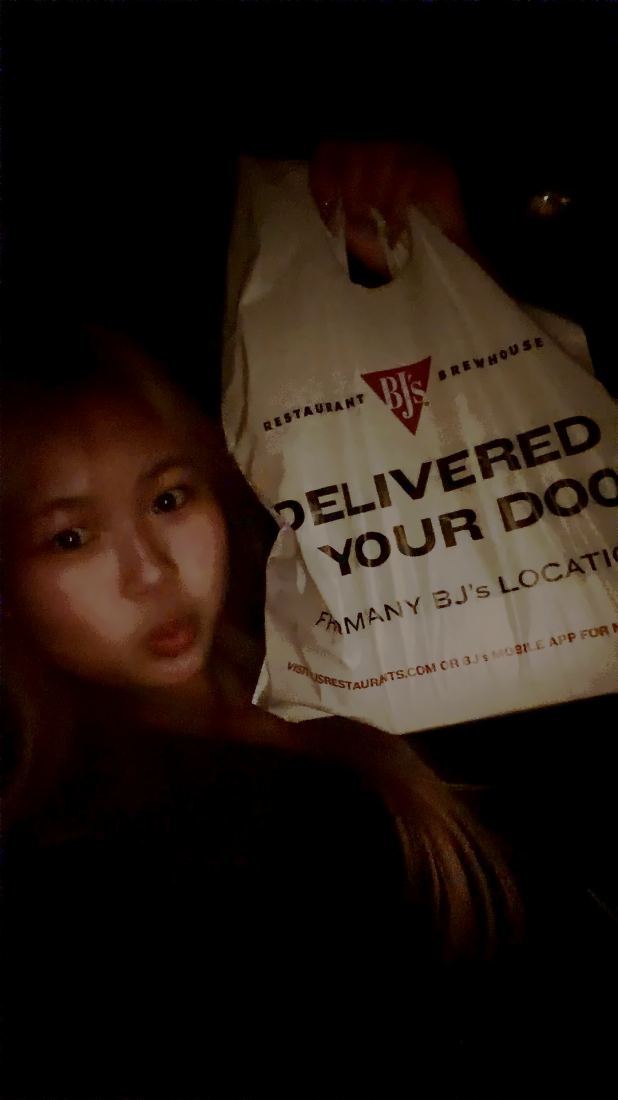
Eat at BJ's, 2201 E. Southlake Blvd, from 11am to 11pm. Use code OCT853 and part of your bill supports us.
We donated 150 Halloween gear decontamination baskets: 100 to the Southlake Fire Department and 50 to the Westlake Fire Department. Thank you to everyone who donated supplies and gave on GoFundMe.
Details coming soon. Follow our Instagram for the date and how to join in.
An event with our friends at Jasper SDG. Date coming soon.
A joint event with Southlake Against Skin Cancer. Date coming soon.
Another pickleball event with SDG Champs. Date coming soon.
Students who run hydration drives, write to city leaders, pack care packages, and show up for local firefighters.
Our officers run events, social media, and outreach. They're who you talk to if you want to work with us.
Meet the officers →SDG Champs, BJ's Restaurant, Jasper SDG, and the Southlake Fire Department.
Become a partner →Proclamations, fundraisers, partnerships, and a Halloween drive for local firefighters. It all started with Breathe for 343.
Mayor Shawn McCaskill and the Southlake City Council recognized our chapter and the “Breathe for 343” initiative for honoring the 343 firefighters lost on 9/11.
A pickleball fundraiser hosted with SDG Champs to support firefighter lung health. Grab a spot and come play for a good cause.
Register →Dine in, takeout, or curbside at BJ's Restaurant & Brewhouse (2201 E. Southlake Blvd., Southlake, TX) and BJ's will donate 20% of food and soft beverage sales to our chapter. Present a flyer in person, or use code OCT853 at checkout online.
View FlyerWe donated 150 Halloween gear decontamination baskets: 100 to the Southlake Fire Department and 50 to the Westlake Fire Department. See photos of packing day, the Westlake visit, and the firefighter interviews in the recap below.
Working alongside Jasper Project Pulmonary to install a sauna or cold plunge recovery unit at the Southlake and Plano Fire Departments, while engaging local policymakers to support firefighter recovery and lung health long-term.
A major new collaboration with SDG Champs is on the way. Date and details coming soon.
A joint event with Southlake Against Skin Cancer. Date and details coming soon.
Another pickleball event with SDG Champs is on the way. Date and details coming soon.
A fundraiser with ice cream is on the way. Details coming soon, so keep an eye on our Instagram.
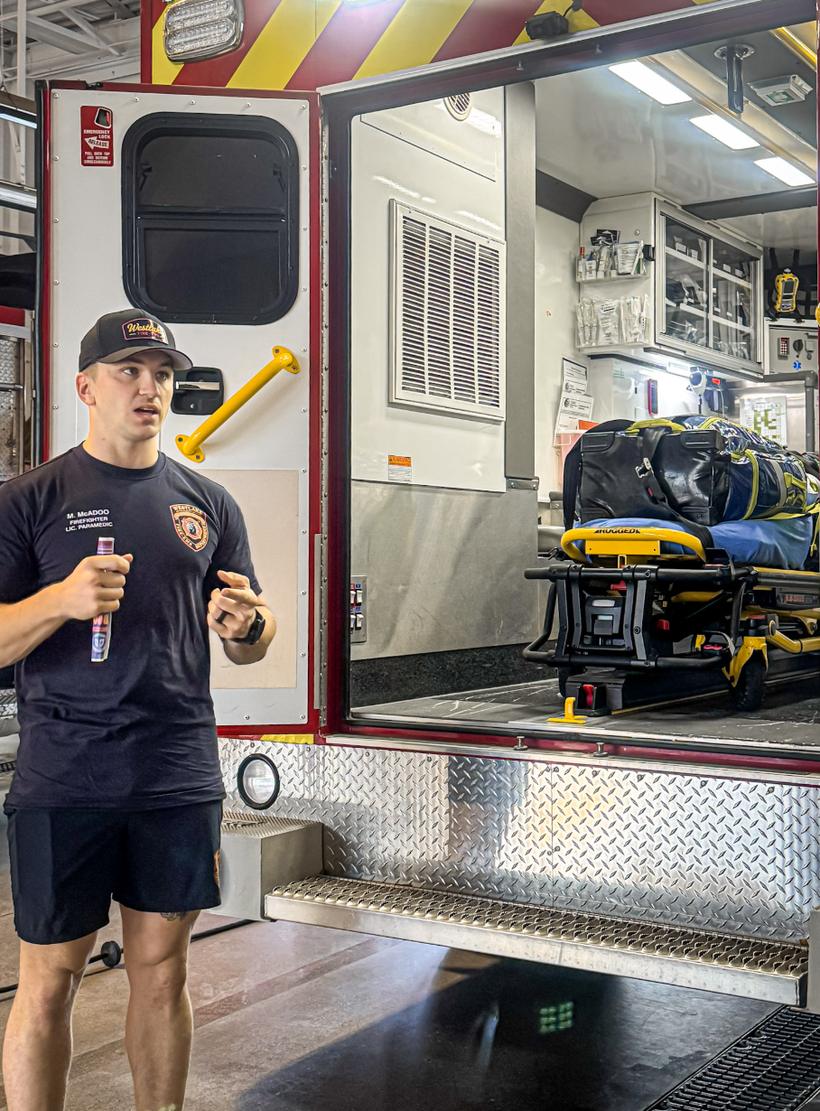
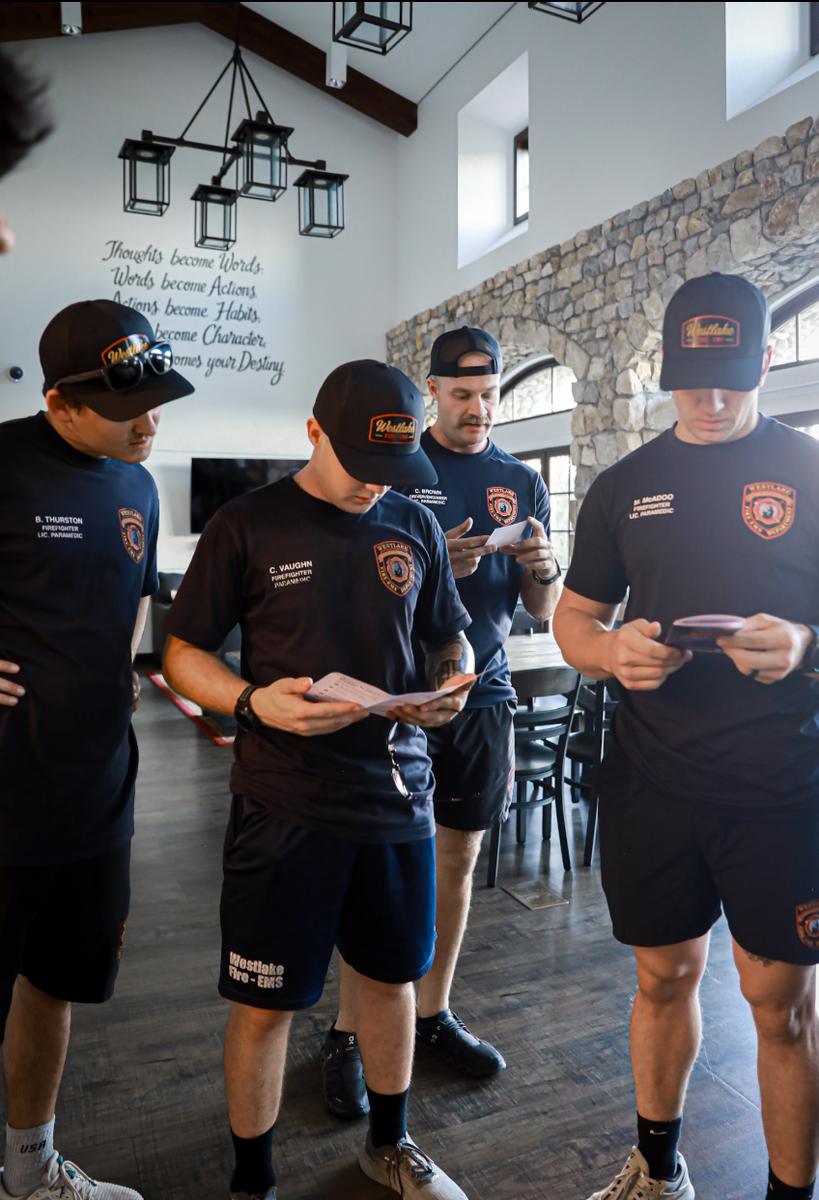
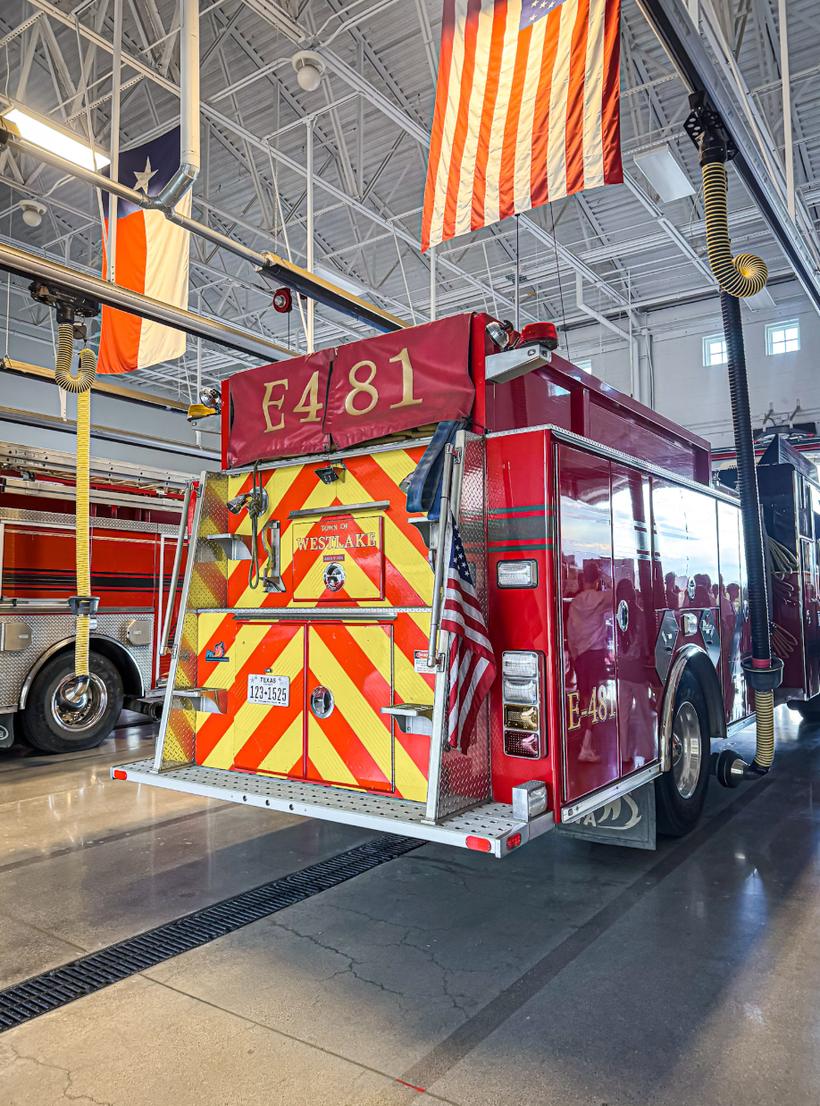
We donated 150 Boo Baskets: 100 to the Southlake Fire Department and 50 to the Westlake Fire Department. Below is how packing day and the Westlake visit went.
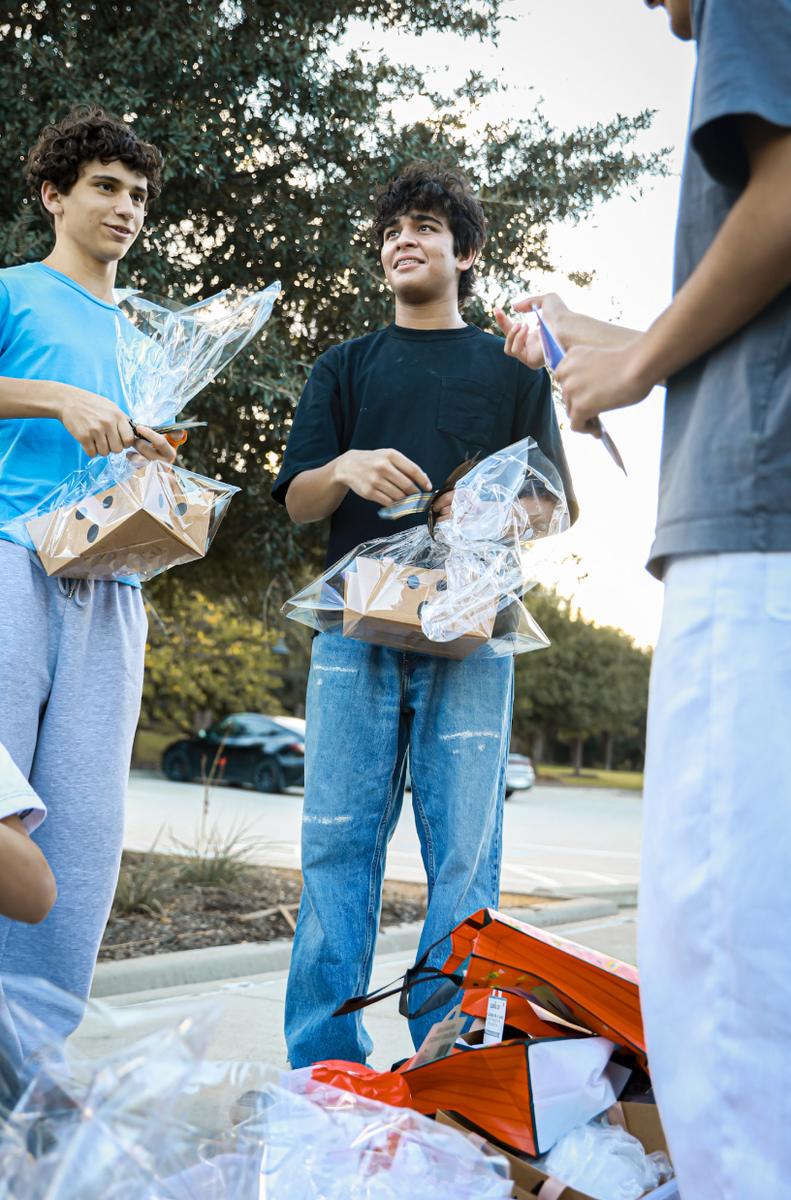
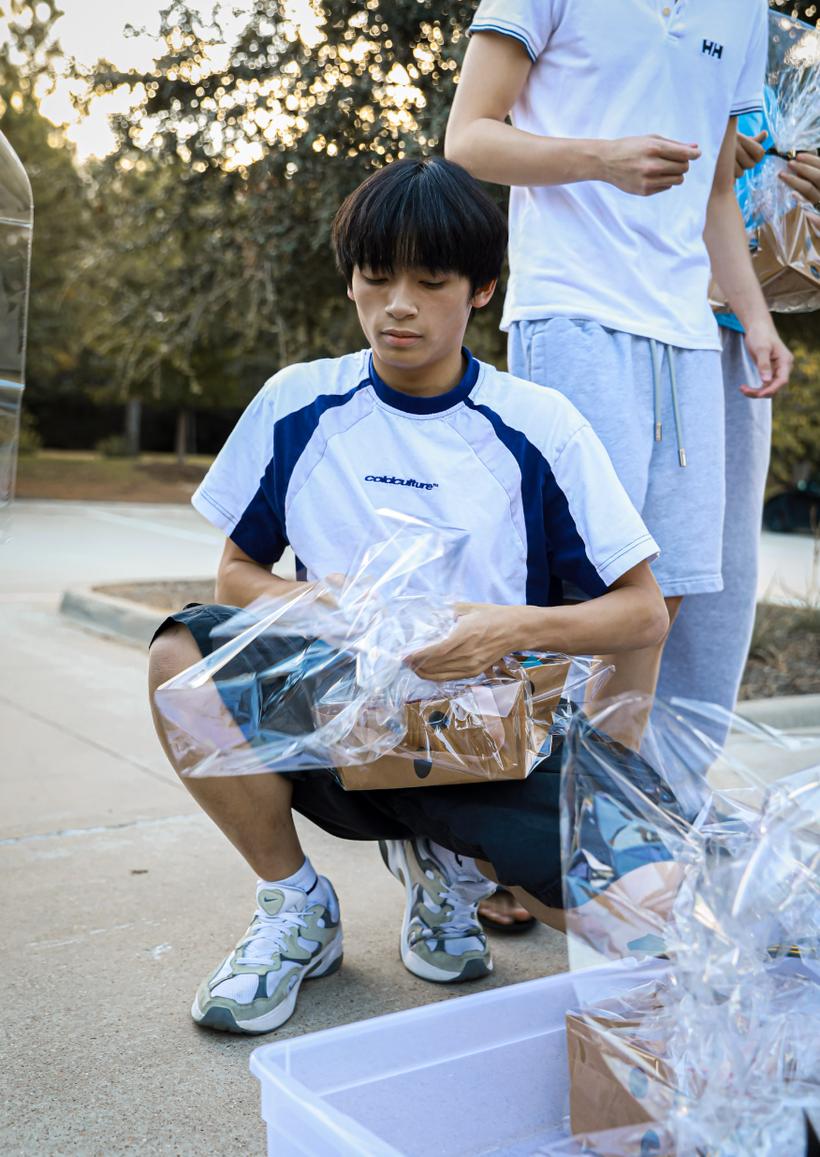
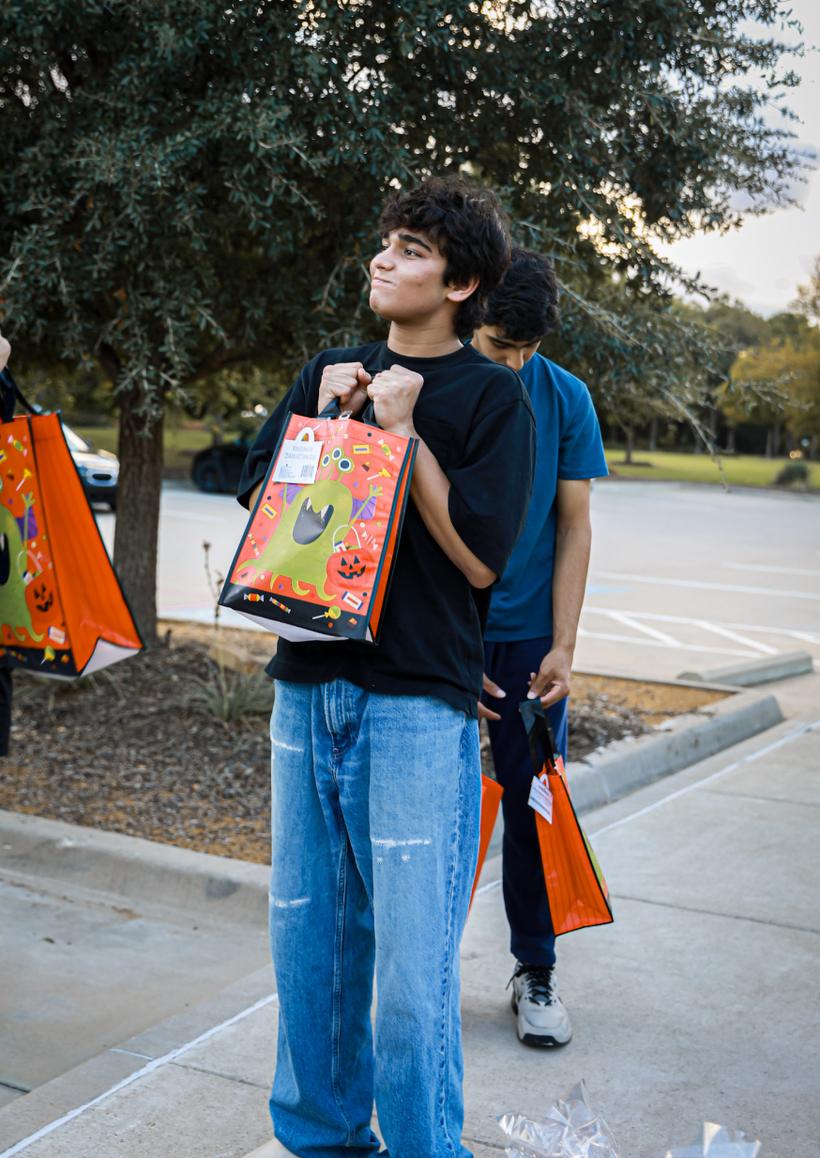
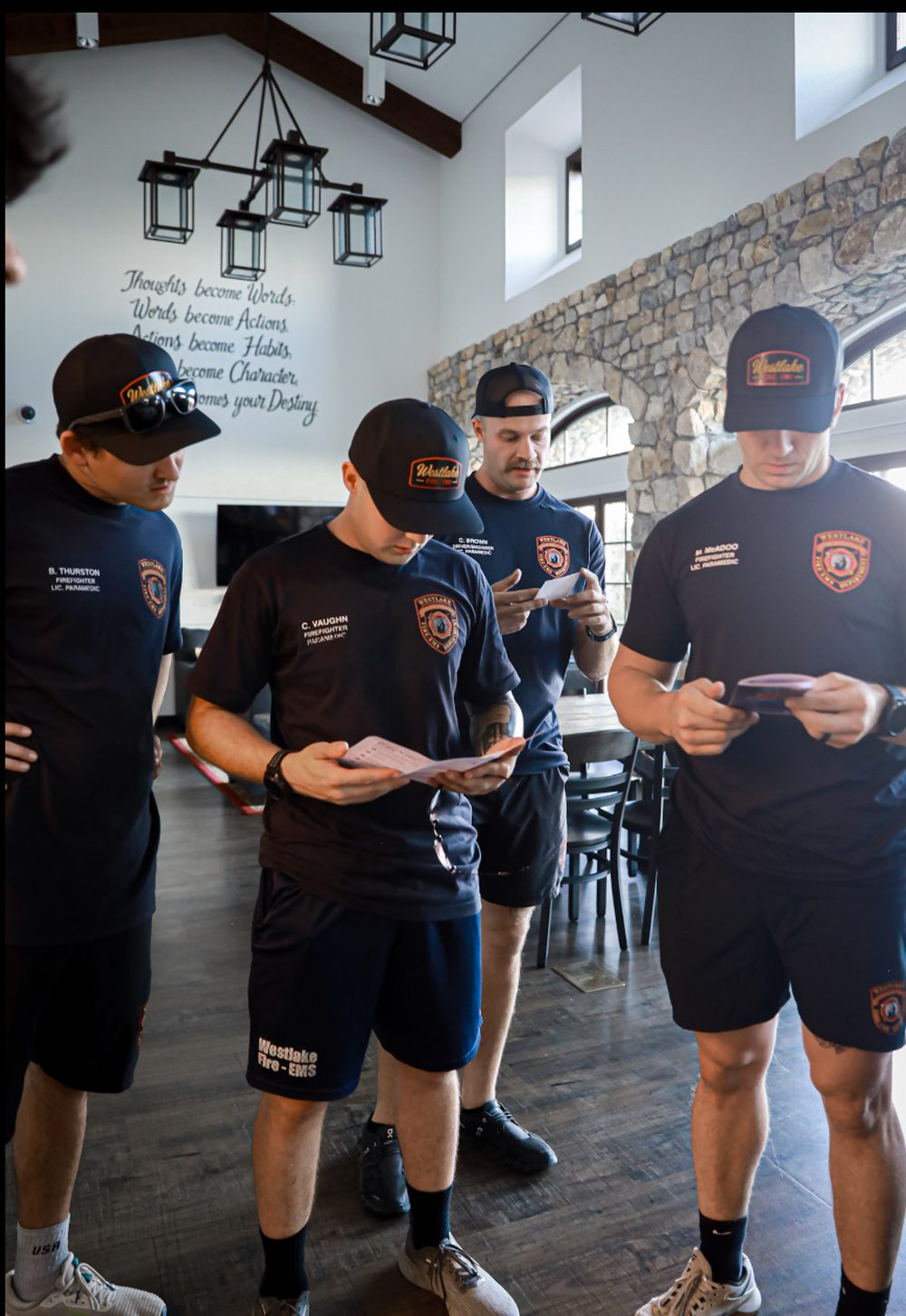
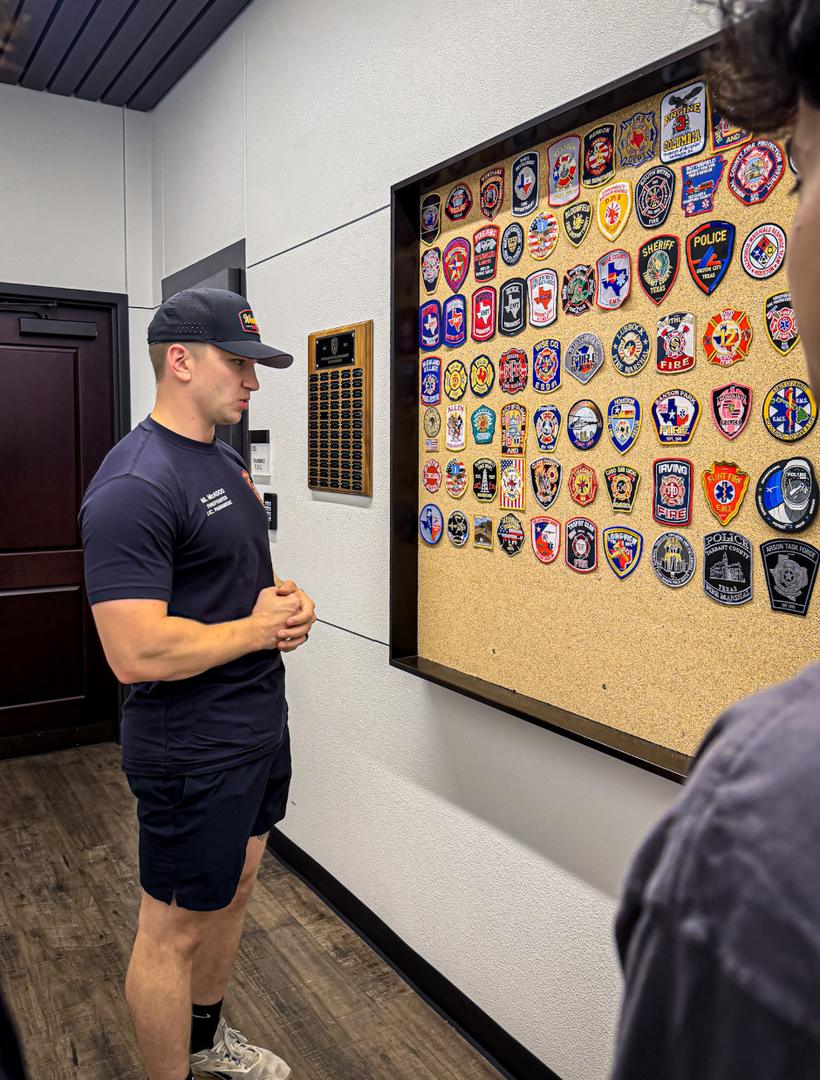
Interviews with the firefighters
Sunday, October 11 · SDG Champs x Project Pulmonary · Winners: Shrihan Padi and Joshua Kim
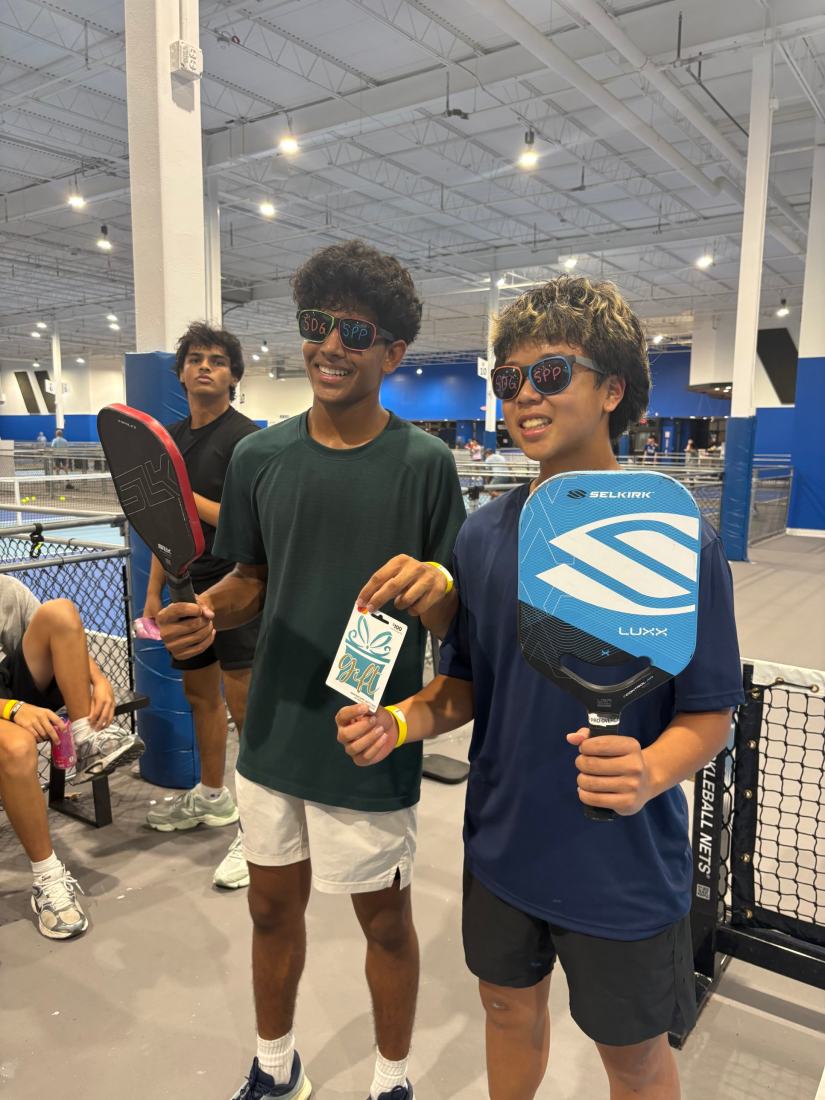
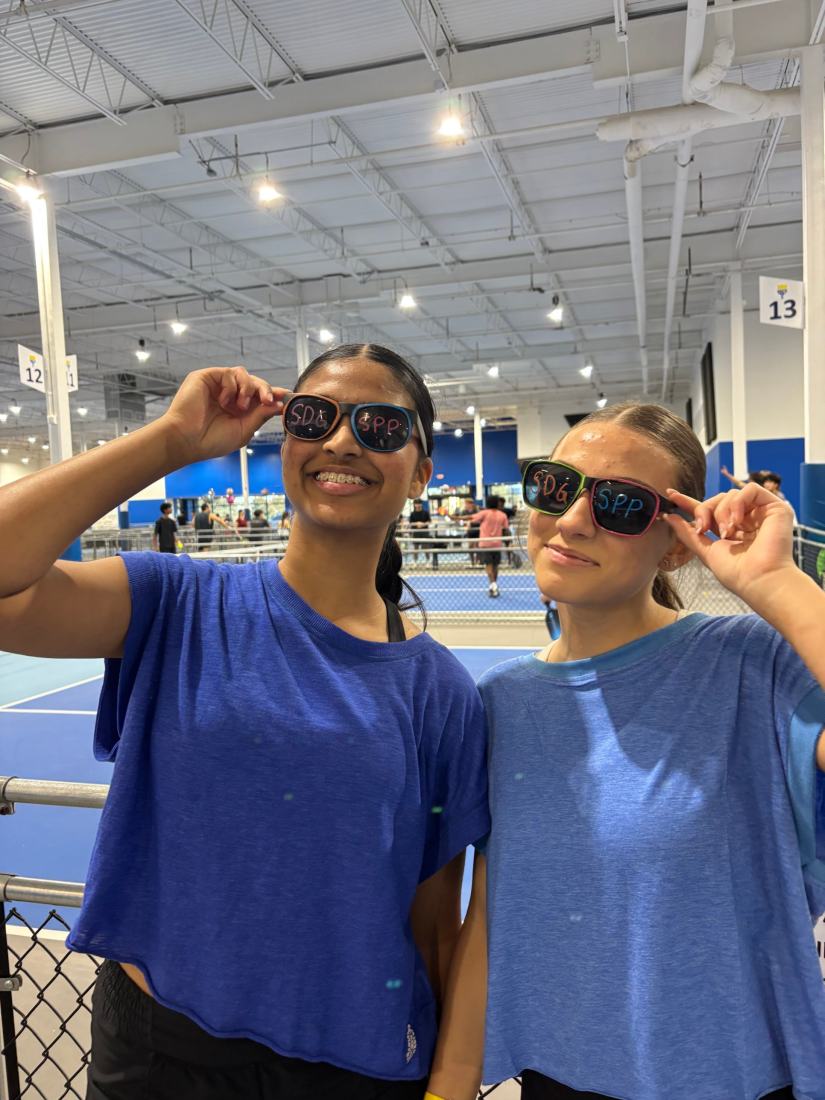
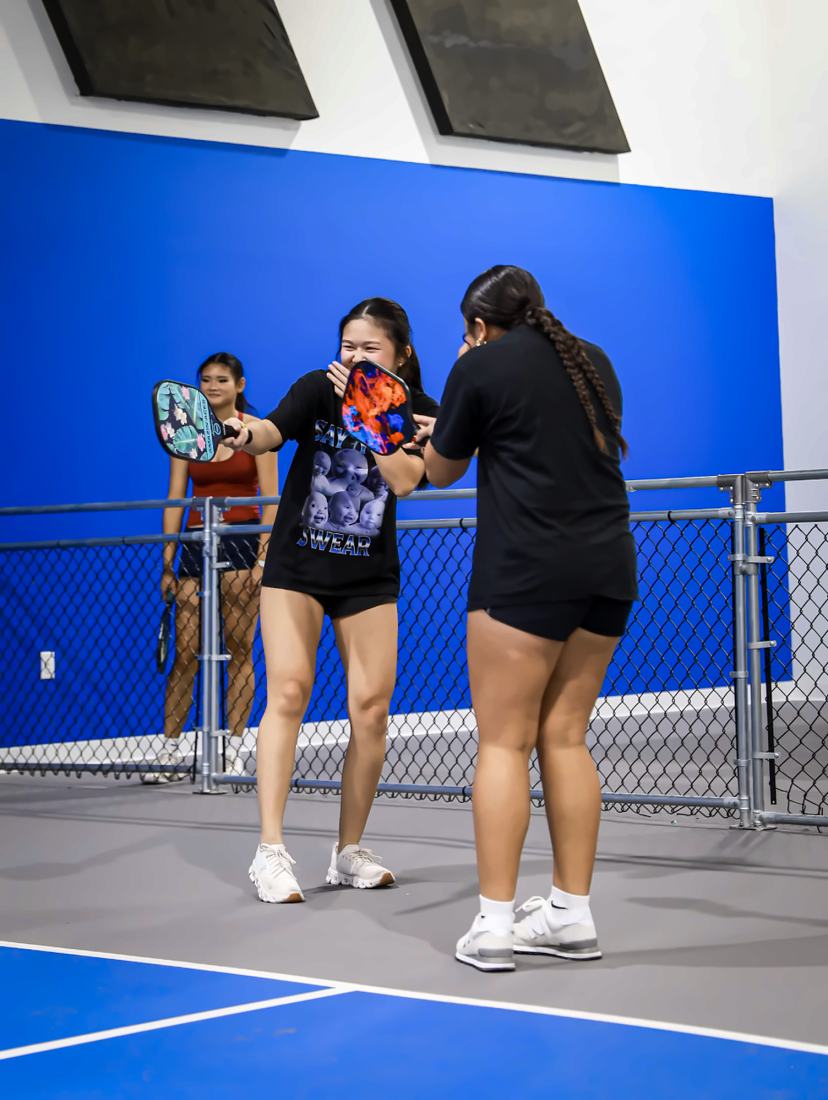
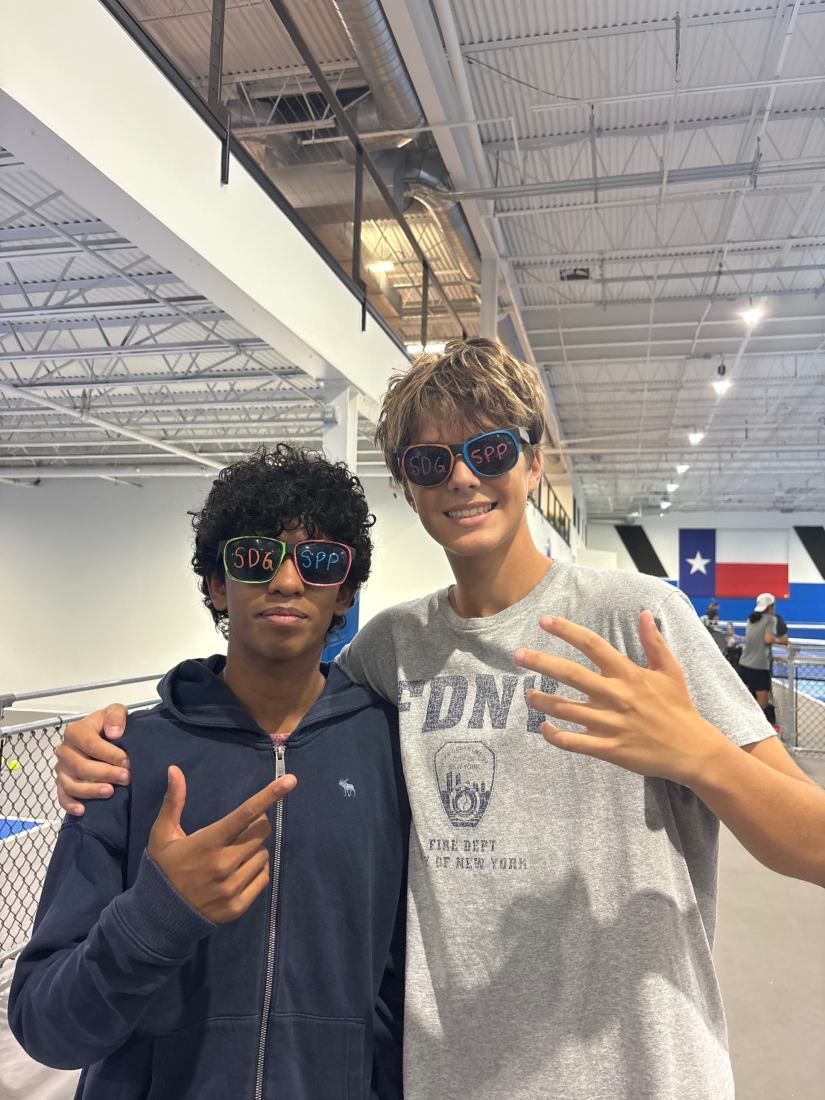
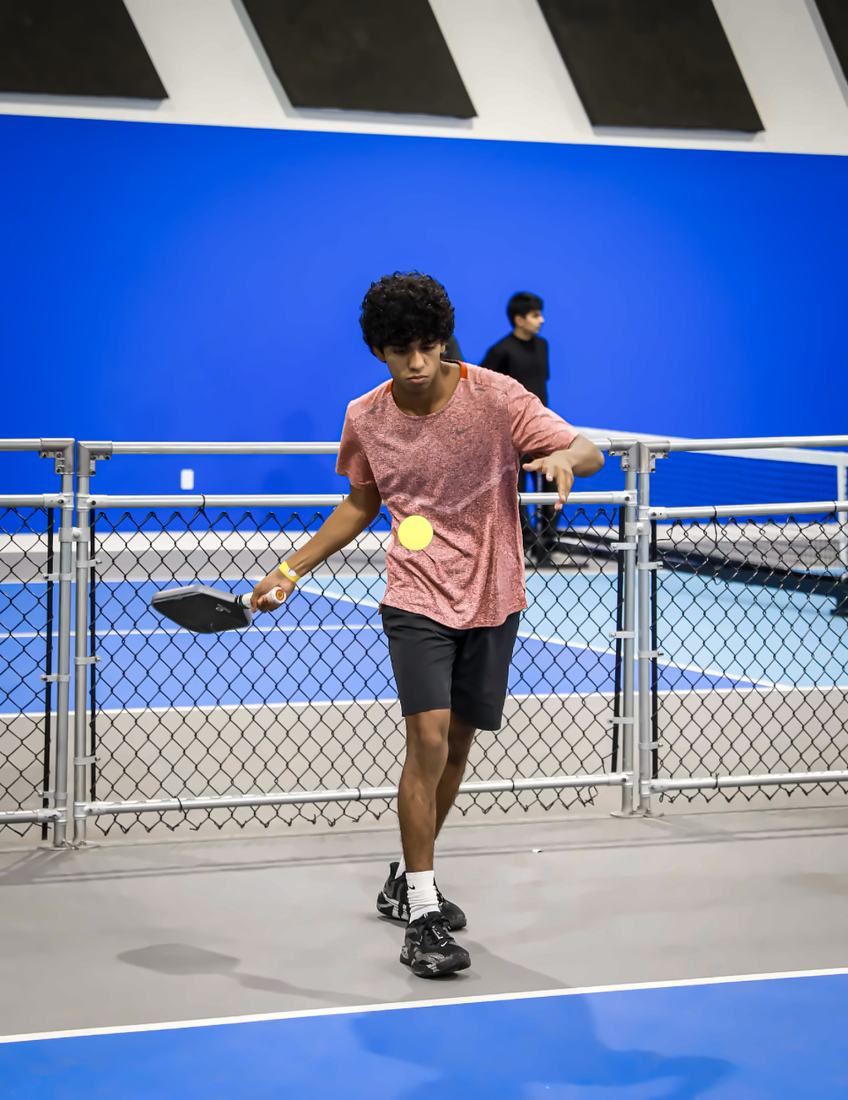
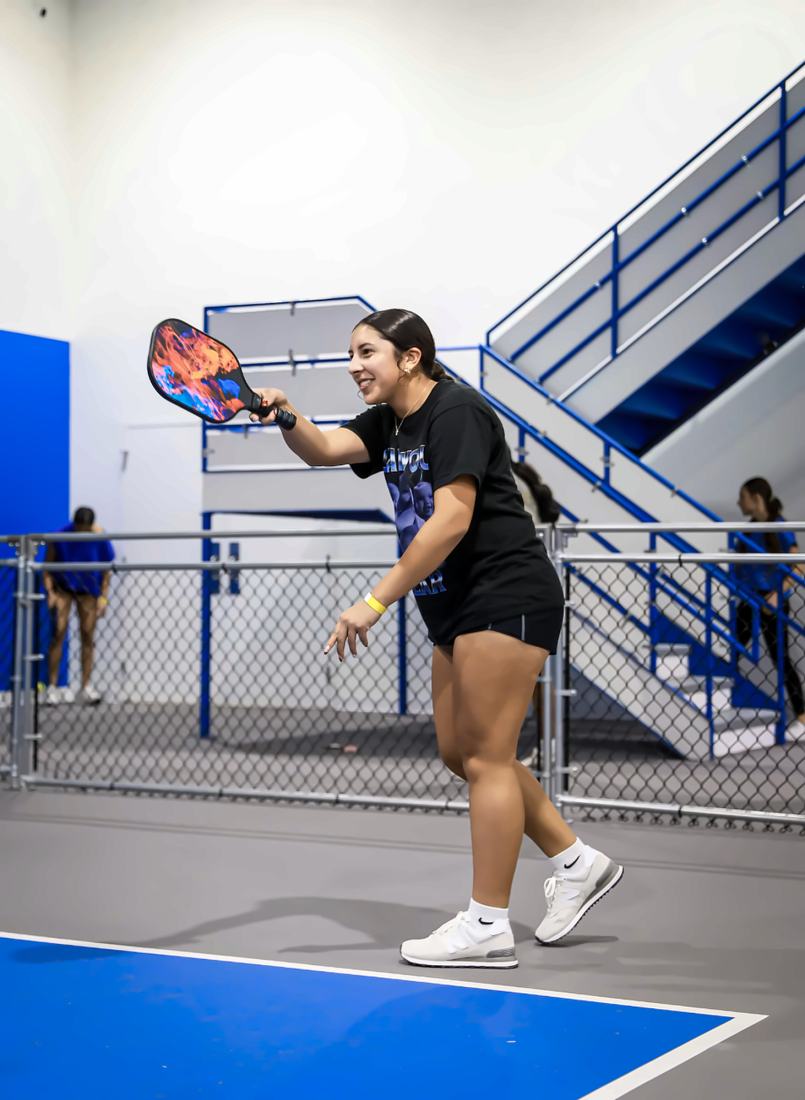
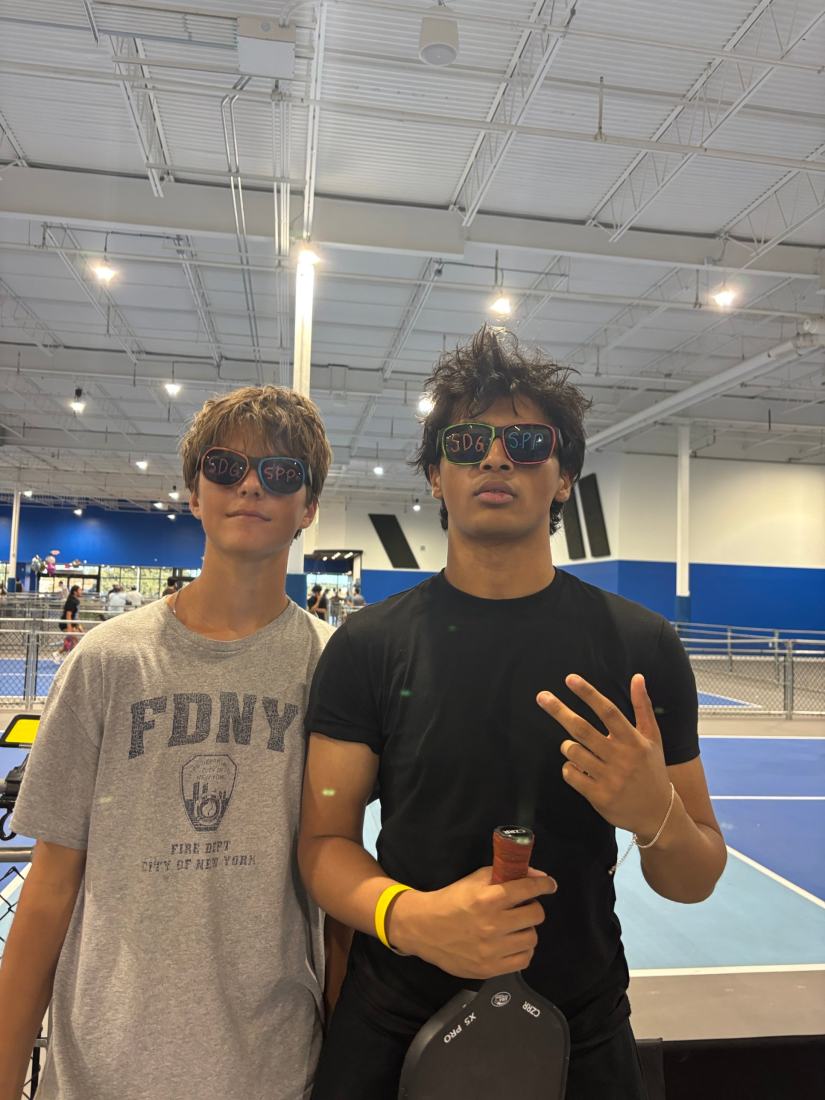
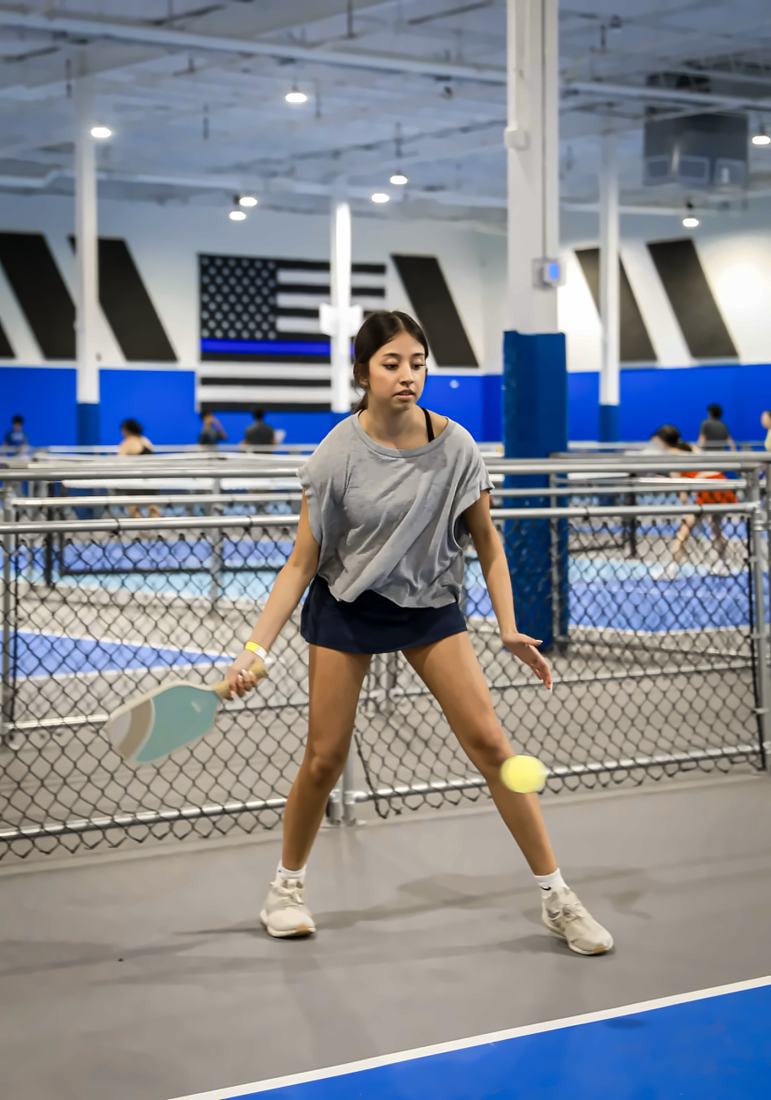
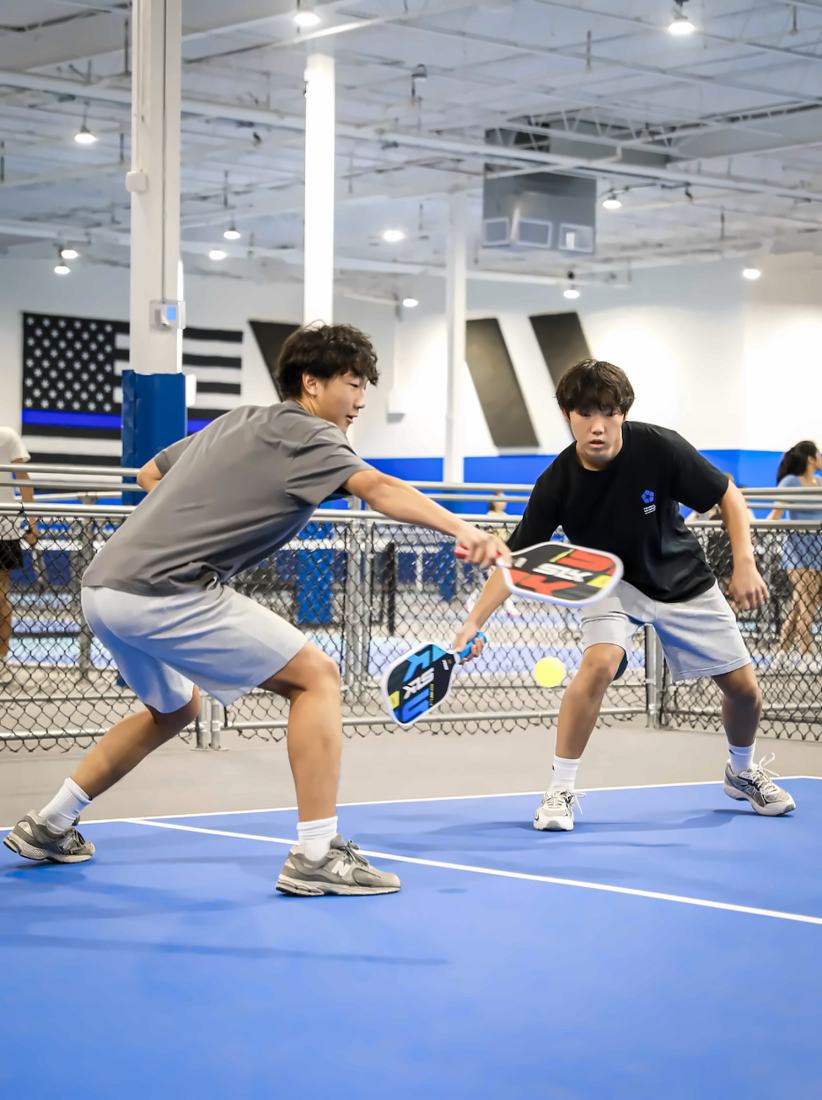
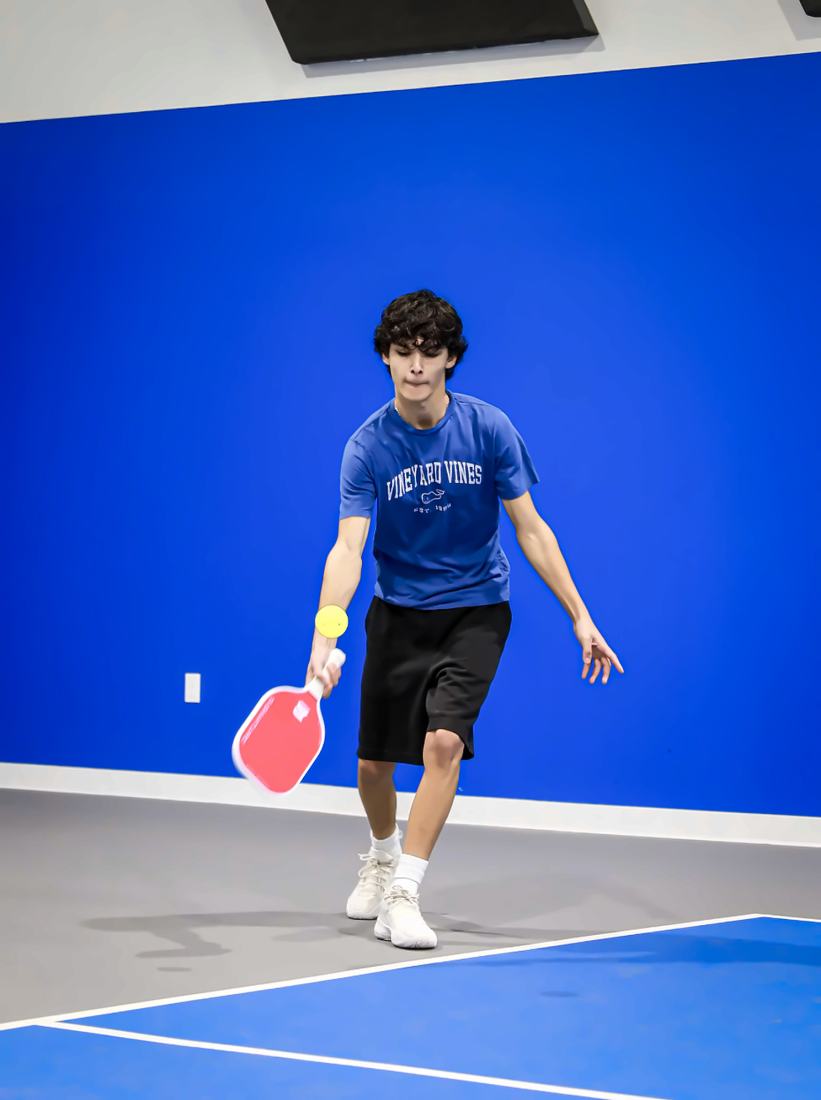
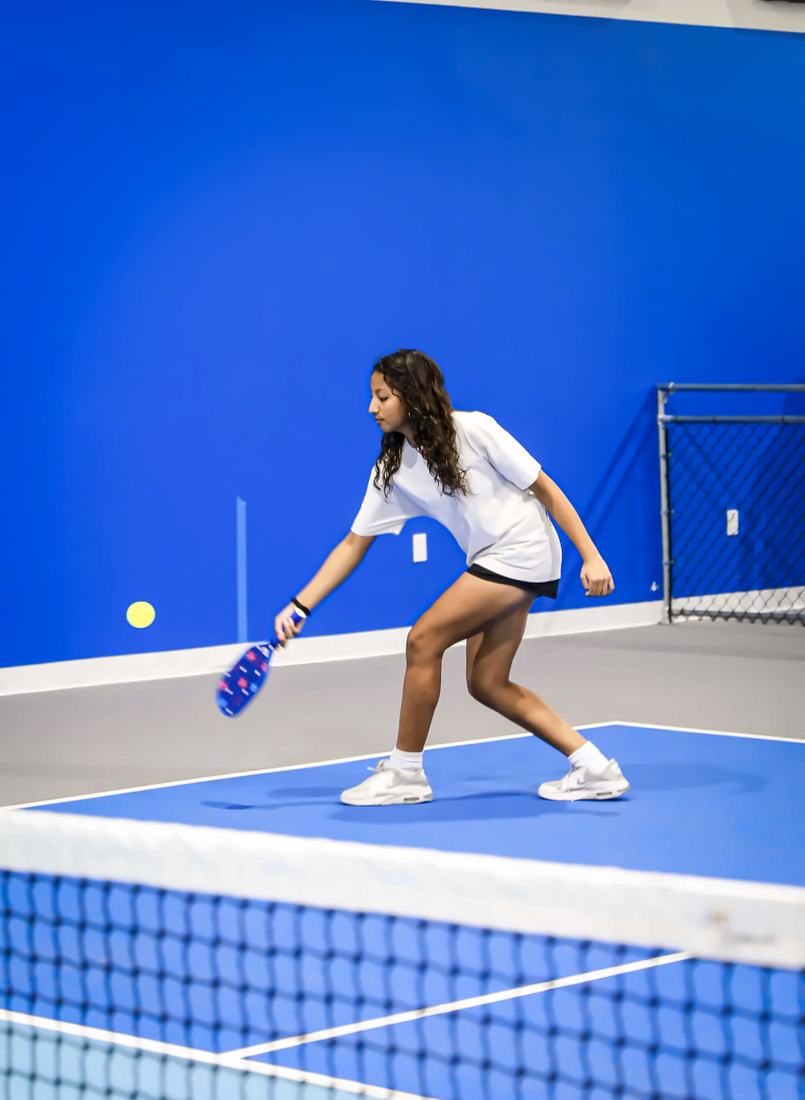

Every player picked up a pair of SDG SPP sunglasses and a frame, and we shot the portraits between games. Here is the reel from the day.
Monday, October 12 · 20% of food and soft beverage sales supported the chapter
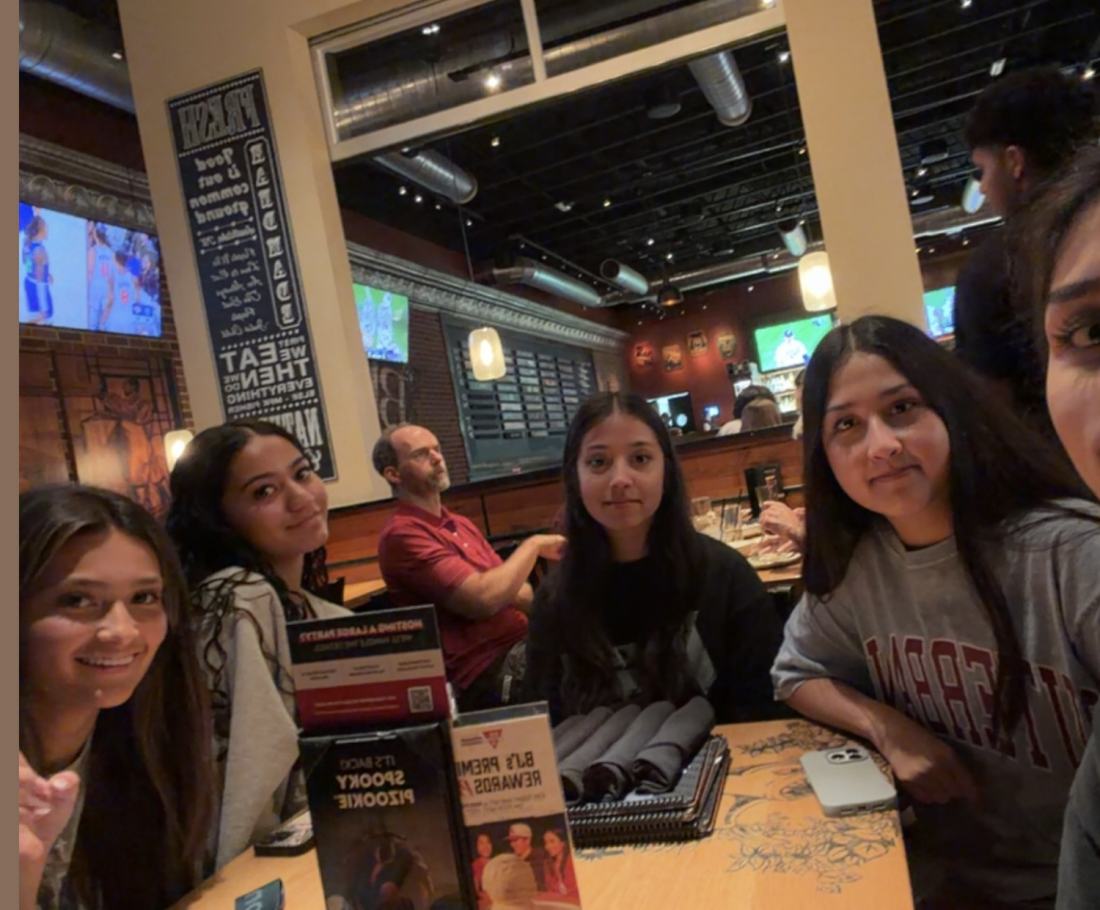
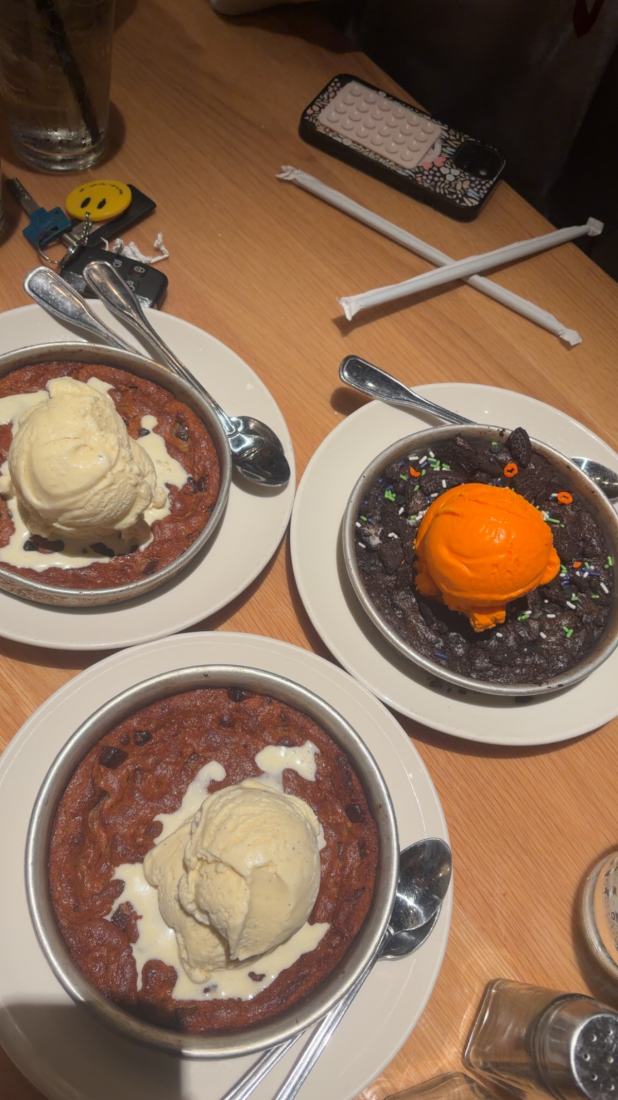
Hover or tap a card to flip it.
We deliver hydration items, flowers, and donuts to the Southlake Fire Department and pack care packages for local crews.
Our founder spoke at a Southlake City Council meeting, and the city recognized our chapter with a proclamation on October 6.
We study how lung health changes from childhood to adulthood and what that means for people in high-exposure jobs like firefighting.
We run fundraisers with local partners like SDG Champs and BJ's Restaurant, and anyone in town can come and help.
We delivered 100 hydration items, flowers, and donuts to the Southlake Fire Department, honoring the 343 firefighters lost on September 11, 2001 while supporting the everyday wellness of our local crews. Learn more →
Getting coverage from local news outlets and recognition from city officials and policymakers for our work.
Growing to 15–30+ active members and creating partnerships with local fire stations, nonprofits, and organizations.
Hosting at least 1–3 events or fundraisers every month while spreading advocacy for pulmonary rehabilitation.
Volunteers get hours, hands-on experience, and a direct hand in every campaign above.
Interviews with firefighters, doctors, and policymakers, and also updates on what our chapter is learning along the way. Written by Arza Basnet and Bella Zhu.
On the spookiest night of the year, firefighters are scared of one thing. Not ghosts, not ghouls, and not monsters, but the invisible threat of toxins. Burning costumes and plastic decor release hazardous chemicals, and the contaminants stick to firefighters’ gear long after the fire is out.
Read Full Article →How OSHA's Respiratory Protection Standard works, why it matters for firefighters, and what happens to their lungs and hearts without it.
Read Full Article →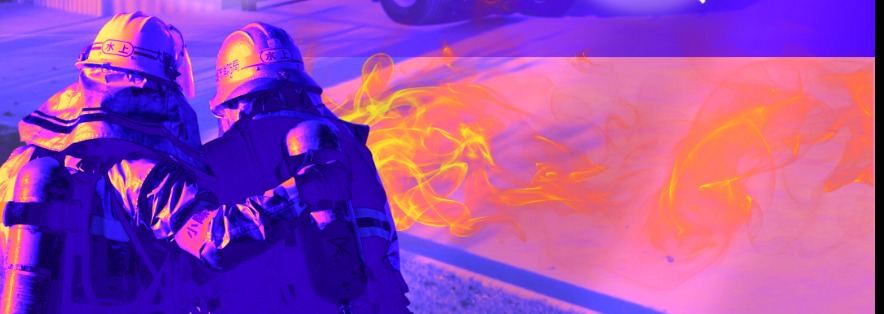
The respiratory consequences of our world continue to show us why exposure matters and why constantly protecting pulmonary health is important. From the firefighters of 9/11 to young teenagers exposed to smoking and air pollution, there is an increasing need for awareness regarding the hazards that can affect our lungs. Southlake's Project Pulmonary chapter spoke with Dr. Amir Rizvi, a board-certified pulmonologist with 28 years of professional experience, about pulmonary health from both susceptible professionals and everyday people.
Read Full Article →We'll be publishing our next interview with a firefighter or policymaker soon. Follow along on Instagram in the meantime.
Campaigns, events, and partnerships as they happen — straight from our Instagram, @projectpulmonary_southlake.
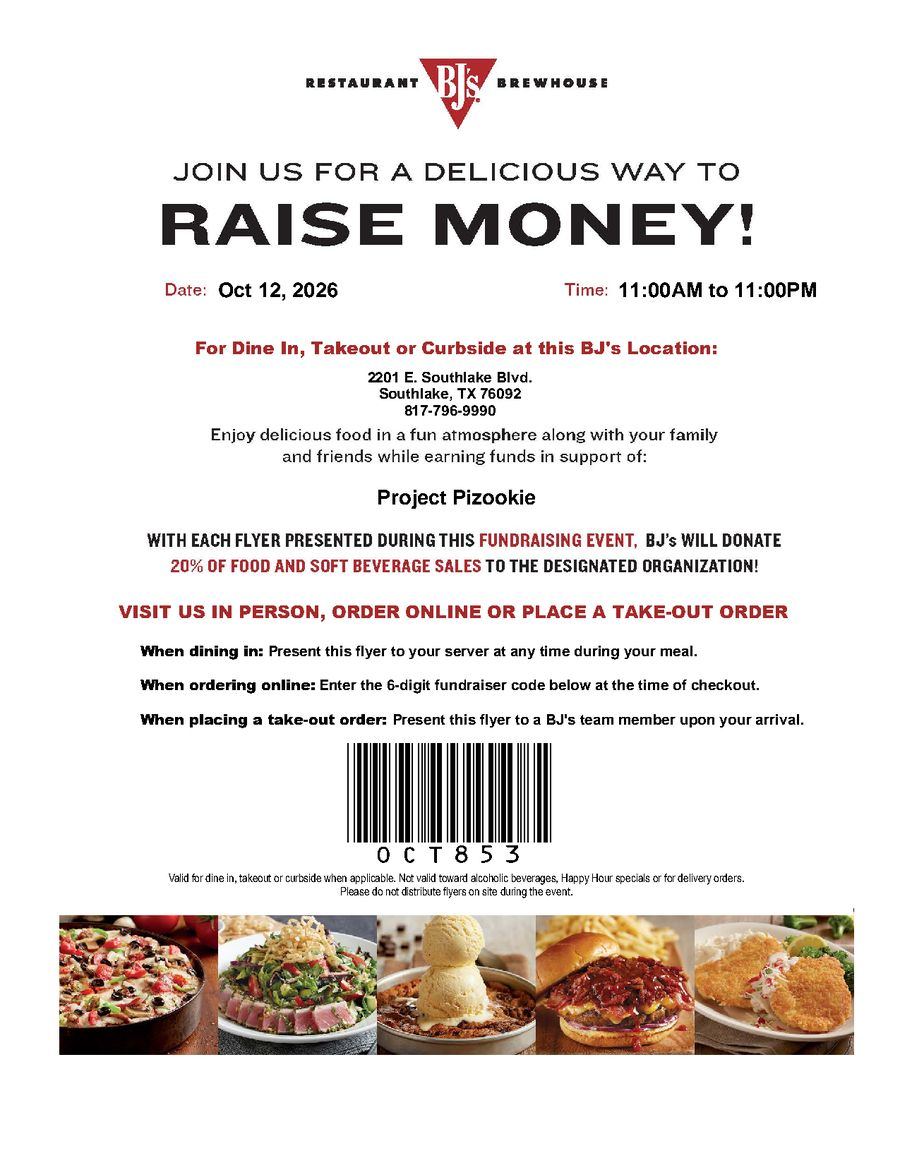
On Oct 12 at BJ's Southlake, 20% of sales went to our chapter all day. Thank you to everyone who came out. Tap to view the flyer.
Loading post…
Loading post…
Loading post…
Loading post…
Loading post…
Loading post…
Loading post…
Loading post…
Loading post…
Loading post…
Protecting public health requires addressing dangers that are not always visible to the human eye. While firefighters are mainly known for risking their lives to protect others, the underlying effects of their work are often overlooked. Exposure to smoke and toxic chemicals can affect the lungs and heart, making respiratory protection an important part of workplace safety. Firefighters can be better protected from health risks that may continue long after an emergency ends with policies that reduce exposure to hazardous substances.
The Occupational Safety and Health Administration (OSHA) is a federal agency within the U.S. Department of Labor that works to maintain safe and healthy working conditions. It establishes workplace regulations to reduce preventable injuries and protect employees from dangerous environments. One of these regulations is the Respiratory Protection Standard, 29 CFR 1910.134, which requires employers to establish respiratory protection programs when necessary to protect workers. These programs include selecting appropriate respirators, providing medical evaluations, conducting fit tests, and training employees to use equipment correctly. These requirements are especially important for firefighters because smoke can contain harmful substances that enter the body through inhalation.
The implementation of this policy is important because having safety regulations in place does not automatically guarantee that workers are protected. Under OSHA’s Respiratory Protection Standard, employers must evaluate workplace hazards and determine when respiratory protection is necessary. They must then provide appropriate respirators and ensure that employees understand how to use them properly. For firefighters, this includes the use of self-contained breathing apparatuses (SCBAs) when working in dangerous, smoke-filled environments. SCBAs provide a separate supply of breathing air, helping prevent firefighters from inhaling contaminated air while responding to emergencies, unlike ordinary face coverings. The policy also requires medical evaluations to determine whether employees can safely use respirators, as well as fit testing to ensure that tight-fitting equipment forms an effective seal. Additionally, firefighters must receive training on the proper use, limitations, cleaning, and maintenance of their equipment. These steps are essential because damaged equipment, an improper fit, or a lack of training can reduce the protection that respirators are intended to provide. Employers must also maintain the respiratory protection program and ensure that equipment remains suitable for the hazards workers encounter. OSHA makes respiratory protection an organized part of workplace safety rather than leaving it entirely to individual workers to manage their own exposure by establishing these requirements. However, the effectiveness of the policy depends on consistent implementation, proper training, and employers taking their responsibilities seriously. Without these measures, firefighters could continue to face preventable exposure to harmful substances, increasing the potential for long-term damage to their lungs and other parts of the body.
Firefighters would face greater exposure to toxic chemicals and particles that can gradually affect their health without effective respiratory protection. Smoke inhalation can irritate the airways, cause inflammation, and contribute to reduced lung function. However, the consequences can extend beyond the respiratory system. Certain substances in smoke can enter the bloodstream, and some combustion products can affect the cardiovascular system. Firefighters already experience significant physical strain from heat, stress, and intense activity, which places additional demands on the heart. The repeated exposure to hazardous smoke can contribute to respiratory illnesses and increase the risk of cardiovascular problems. This demonstrates how pulmonary health is connected to the body’s overall well-being, as damage to one system can affect other essential functions. Equipment such as SCBA helps firefighters breathe from a separate air supply instead of inhaling contaminated air. Although respiratory protection cannot eliminate every occupational hazard, proper equipment, training, and maintenance can reduce exposure and help prevent avoidable harm.
Protecting firefighters requires more than providing equipment during emergencies. It also means recognizing the long-term health risks associated with their profession and establishing policies that address them. OSHA’s Respiratory Protection Standard demonstrates how workplace regulations can help reduce exposure to dangerous substances and support healthier working conditions. Prioritizing pulmonary health through effective policies ensures that those who protect our communities are not left unprotected from the long-term consequences of their own service.
On the spookiest night of the year, firefighters are scared of one thing. Not ghosts, not ghouls, and not monsters, but the invisible threat of toxins. Every year on Halloween, fire departments respond to an average of 9200 fires over 3 days, from October 30 to November 1 (U.S. Fire Administration). While our neighborhoods focus on the haunted houses and trick-or-treating, firefighters are dealing with an increasing amount of toxic environments when fires strike unexpectedly.
Halloween is the one day of the year when you can wear elaborate costumes and decorate to your heart’s content. Naturally, this leads to communities being filled with kids in synthetic costumes, lawns with plastic decor, and brightly lit Jack-o’-lanterns. While these materials are convenient and accessible, they are extremely flammable. Burning plastics, polyester, and polyurethane releases a plethora of hazardous chemicals, including hydrogen cyanide, carbon monoxide, and hydrogen chloride. A fire involving these materials burns faster, hotter, and deadlier than fires on any other day.
For the first responders rushing in, the danger doesn’t stop at the heat and flames. Repeated exposure to toxic smoke and carcinogens exacts a high cost on the body. According to the National Institute for Occupational Safety and Health, firefighters face a 9% higher risk of being diagnosed with cancer and a 14% higher risk of dying from cancer compared to the general U.S. population. The very air they breathe while saving lives is the same air that is filled with invisible threats that alter their health permanently.
However, the danger doesn’t end when the fire is put out. Contaminants don’t just disappear; they stick to everything they come in contact with. Toxic particulates and chemical byproducts embed themselves deeply into firefighters’ gear, helmets, and tools. Additionally, as firefighters sweat under their heavy equipment, the pores on their skin open up and absorb these harmful carcinogens directly. Without quick and reliable intervention, firefighters are continuously being exposed to poisons long after the fire is extinguished.
Southlake Project Pulmonary recognized this as a critical issue, and we launched a Halloween initiative called Kits for Candy. Our chapter put together 150 “Boo Baskets” filled with necessary items like decontamination wipes, gloves, seat liners, and obviously candy. Our officers and 25+ student volunteers hand-delivered and distributed them to the Southlake and Westlake Fire Departments. Through this initiative, we aimed to provide relief to our local heroes while raising awareness in a festive way.
When Southlake Project Pulmonary visited the Westlake Fire Department during the Kits for Candy event, our team interviewed some of the first responders on duty. We asked Firefighter Mac why he’s a firefighter, and he told us, “I love serving my community and the community I live in,” because he believes the best way to give back to the community is by “being a firefighter and a paramedic.” Our firefighters dedicate themselves to protecting our community, so it’s only right that our community steps up to protect them too.
Protecting our firefighters isn’t a short-term commitment; it doesn’t end after the autumn season. We are committed to aiding our first responders and shifting our community towards better decontamination protocols, safer environments to rest in, and stronger safety protections. Ensuring our departments have the right equipment, training, and healthcare is the best treat we can offer.
This Halloween, while everyone is dressed up as heroes in capes, ready to fight monsters and villains, our firefighters are dressed up in hefty suits, ready to fight the invisible threat: the toxic exposure that follows them long after the flames die down.
CDC. “Firefighter Cancer Rates: The Facts From NIOSH Research.” NIOSH Science Bulletin, 2 Mar. 2026, https://www.cdc.gov/niosh/bulletin/2017/firefighter-cancer.html. Accessed 2 Nov. 2026.
“Data Snapshot: Halloween Fires (2017-2019).” U.S. Fire Administration, https://www.usfa.fema.gov/statistics/reports/fire-causes/snapshot-halloween.html. Accessed 2 Nov. 2026.
The respiratory consequences of our world continue to show us why exposure matters and why constantly protecting pulmonary health is important. From the firefighters of 9/11 to young teenagers exposed to smoking and air pollution, there is an increasing need for awareness regarding the hazards that can affect our lungs. To significantly understand these risks, Southlake's Project Pulmonary chapter spoke with Dr. Amir Rizvi, a board-certified pulmonologist with 28 years of professional experience, who shared his ranging perspective on pulmonary health from both susceptible professionals and everyday people.
Our main discussion focused on how lung health changes from childhood to adulthood, whether certain professions include greater risks to respiratory health, and what people should be cautious of throughout their daily lives. For background, The New England Journal of Medicine provides context for what the firefighters of 9/11 endured and the respiratory effects they experienced for the rest of their lives. Members of the Fire Department of New York City were exposed to a variety of inhaled materials, including dust, smoke, and other airborne contaminants during and after the collapse of the World Trade Center, which greatly contributed to lifelong respiratory issues. These inhaled materials had lasting effects that Dr. Rizvi has witnessed. Dr. Rizvi, who actually trained in New York City, recounts the impact he observed in his patients, stating, "After 9/11, we saw a lot of firefighters with respiratory complaints. They developed coughs, shortness of breath, and wheezing." His experience emphasizes how occupational dangers can affect respiratory health long after initial exposure has occurred. This case demonstrates the long-term impact that environmental pollutants had on the lungs. While heroic firefighters face substantial occupational risk, everyday environments with heavy pollution can also present hazards that affect respiratory health. Awareness of these risks is essential to protecting lung health from childhood to adulthood.
Occupational risks are more commonly associated with professions such as firefighting and construction, where workers can encounter hazardous materials, conditions, and environments. However, occupational settings are not the only environments that can seriously affect lung health, as our lungs begin developing at birth and continue to mature throughout youth. According to Dr. Rizvi, lung capacity gradually starts increasing as a child grows, and once they reach adulthood, lung development is maximized. As children grow into teens, asthma becomes one of the most common lung conditions Dr. Rizvi interacts with. While some children may experience fewer asthma symptoms as they mature and eventually may outgrow the condition, symptoms can also return later in life. Dr. Rizvi also emphasizes that genetics can play a role in an individual's probability of developing certain lung conditions. As children grow into teenagers, the world around them presents an additional set of dangers, introducing new and serious threats to their young lungs: smoking and vaping.
Smoking and vaping are commonly associated with serious health damage, especially for young teenagers who are still developing. According to the Centers for Disease Control and Prevention (CDC), the use of nicotine found in vapes and electronic cigarettes is known to harm developing parts of the brain that control attention, learning, mood, and impulse control. Beyond the damage to the delicate brains of adolescents caused by nicotine, Dr. Rizvi describes vaping as one of the risks people tend to underestimate. He details that many people assume vaping is less harmful than smoking because of the other components of cigarettes that aren't found in vapes, such as tobacco, tar, and many other chemicals. This is a misconception within society; in reality, vaping products still contain nicotine and numerous other substances that can still damage the lungs. Dr. Rizvi also addresses how the effects of vaping may not immediately be visible. Teenagers may experience little to no symptoms when they first begin vaping. Once it becomes a frequent habit, the lungs can become increasingly damaged, eventually resulting in symptoms like coughing, shortness of breath, or wheezing. Initially, these symptoms aren't present, which creates a false sense of security and safety behind vaping. Raising awareness of this subject is important before lifelong lung damage occurs.
Respiratory health is shaped by the environment and choices we make throughout our lives. Occupational risks show us how poor work conditions can have lifelong effects. During adolescence, it is important to protect the lungs while they are still developing. Dr. Rizvi's experiences stress that lung health shouldn't be overlooked, especially when there are so many risks to our lungs, such as pollution, smoking, and vaping. Understanding the dangers of harmful substances, environmental risks, and concerning lung symptoms is essential to preventing damage to the lungs. The air we breathe is constantly part of all our lives, making the protection of our lungs a vital responsibility.
No prior experience needed. No required time commitment. Just a passion for making a difference.
Tell us a little about you. It takes just a couple of minutes.
Get meeting reminders, event updates and volunteer opportunities.
Come to one event or all of them. Every contribution counts.
Exclusive access to firefighters, physicians, healthcare professionals, policymakers, and nonprofit leaders.
Earn hours through community service projects, drives, and outreach events, with no minimum requirement.
Monthly member spotlights on Instagram, plus awards for outstanding service and leadership.
Hands-on service work making a direct impact on firefighter rehabilitation and lung health advocacy.
Leadership, volunteer work, and community impact experience for college applications.
Participate whenever your schedule allows. Every contribution counts, even attending one meeting.
Not at all. We host 1–3 events a month, and you're welcome to join whichever ones fit your schedule. There's no minimum attendance requirement.
No prior experience is needed — just a passion for helping firefighters and an interest in health advocacy, service, or community outreach.
No. Participate whenever your schedule allows. Every contribution counts, even if it's just attending one meeting.
Yes — you can earn volunteer hours through community service projects, drives, and outreach events with no minimum requirement.
Officer positions open up as the chapter grows. Active, engaged members are considered first — reach out to any current officer to learn more.
Any Southlake Carroll student is welcome, regardless of grade or prior involvement in health or service clubs.
Questions about partnerships, volunteering, or donations — reach out any of these ways.
slcprojectpulmonary@gmail.com
@projectpulmonary_southlake — send us a DM anytime
Join our chapter group chat
linktr.ee/slcprojectpulmonary
Tell us about your organization and how you'd like to work with Southlake Project Pulmonary.